Plant safety for cats
Is anthurium (एंथुरियम) toxic to cats?
ModerateListed toxic to cats by ASPCA
Yes — anthurium is toxic to cats: its oxalate crystals cause mouth pain, drooling and vomiting. Watch for it in wedding and event flowers as well as in pots.
Why moderate: Oxalate crystals — and it turns up in wedding flowers as well as pots.
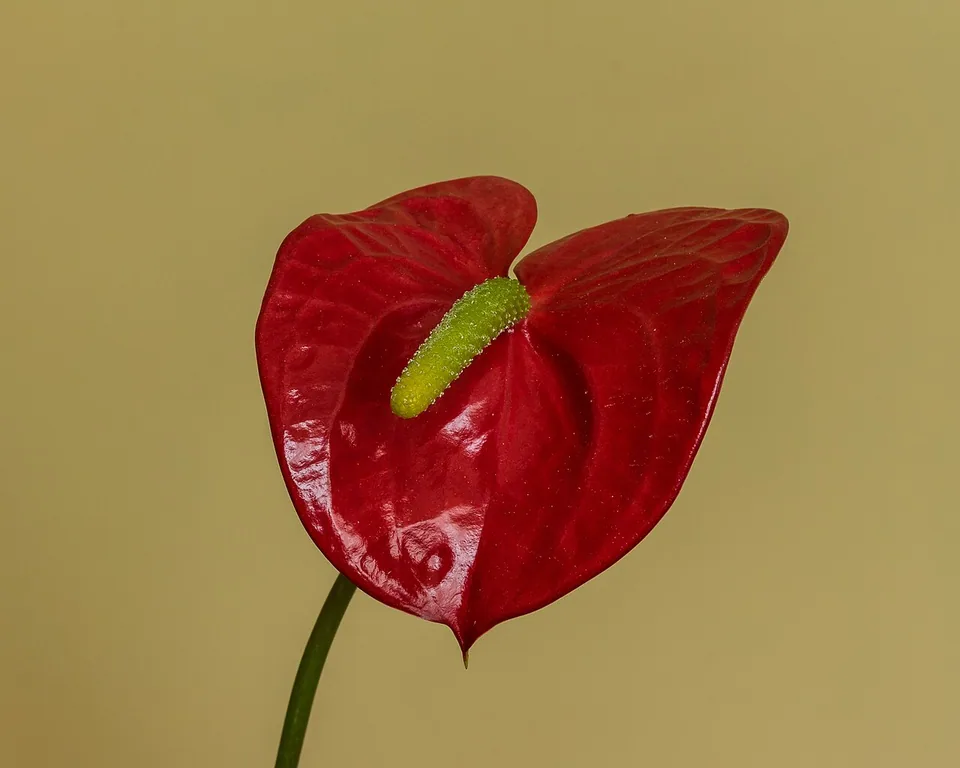
- Name
- Anthuriumalso Flamingo flower, Flamingo lily, Laceleaf
- Hindi
- एंथुरियम
- Botanical name
- Anthurium andraeanum and A. scherzerianum · Araceae
Toxic parts
All parts — flowers, leaves, stems, roots and sap (NC State).
What's in it
Insoluble calcium oxalate crystals — tiny needles that are released when the leaf is chewed and stab the lips, mouth and throat
How to recognise it
- A glossy, heart-shaped red, pink or white 'flower' (spathe) with a straight or curled spike
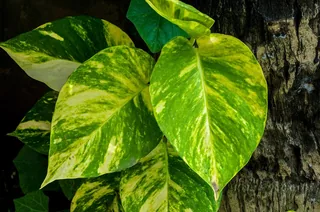
- Leathery, heart-shaped leaves
Look-alikes and name traps
Peace lily has a white spathe (also toxic).
Symptoms to watch for
- Drooling
- Pawing at the mouth or face
- Gagging or vomiting
- Painful mouth, not wanting to eat
- Difficulty swallowing
- Rarely: swelling of the throat that makes breathing hard (emergency)
At once — the crystals hurt as soon as the plant is chewed.
What to do
Call your vet. It hurts at once, but most cats recover with supportive care.
- Take the plant away, note how much is missing and take a photo of it.
- Call your vet if your cat drools, paws at the mouth, gags or vomits.
- Go now if breathing is noisy or laboured, the face or throat swells, or your cat can't swallow (Pet Poison Helpline's rule).
- Don't make your cat vomit at home unless a vet tells you to.
Where Indian cats meet it
A gift and office plant, and a cut flower in Indian wedding and event décor.
Cat-safe swap: For a red gift plant: a red rose or an orchid.
Sources
- ASPCA Animal Poison Control: Flamingo flower
- Pet Poison Helpline: Anthurium
- NC State Plant Toolbox: Anthurium andraeanum (human toxicity data)
Facts last checked
General information for cat parents, not a diagnosis or a treatment plan. The facts come from ASPCA, Pet Poison Helpline, International Cat Care, the Merck Veterinary Manual and the other sources listed on every page — and we say so when the evidence comes from dogs or people. If your cat may have eaten something harmful, call your vet.