Cat safety · plants
Plants poisonous to cats in India — with Hindi names
Ranked from deadly to safe, with the Hindi and botanical name, a photo and what to do — so you can tell kaner from kadi patta at a glance. Sweet cats, plain facts.
Deadly to cats — keep these out of your home
- Lily लिली Kidney failure from a nibble, licked pollen or a sip of vase water.
- Sago palm साइकस Liver failure within days — and the orange-red seeds are the most poisonous part.
- Oleander कनेर Heart poison in every part — even in water that held the flowers.
- Yellow oleander पीला कनेर Heart poisons, worst in the seeds.
- Castor plant अरंडी Chewed seeds release ricin, and signs can take 12–48 hours to start.
- Rosary pea गुंजा / रत्ती A chewed or cracked seed releases abrin — treat seed beads and jewellery as poison.
If you think your cat ate any of these — even a nibble, a lick of pollen or a sip of vase water — go to a vet now. Don't wait for signs.
Ranked from deadly to safe
Every plant, ranked by danger
Search in English, हिन्दी or by botanical name, or tap a level. Every card opens the full page: how to recognise it, the symptoms and what to do.
No match. Try the Hindi or botanical name — or ask us on WhatsApp.
Deadly10 plants
A small, realistic exposure can kill. Go to a vet before signs appear.
-
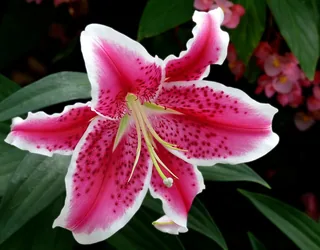 Deadly
Lily
लिली · liliLilium species
Kidney failure from a nibble, licked pollen or a sip of vase water.
Bouquets, wedding and stage décor and gift flowers.
Deadly
Lily
लिली · liliLilium species
Kidney failure from a nibble, licked pollen or a sip of vase water.
Bouquets, wedding and stage décor and gift flowers.
-
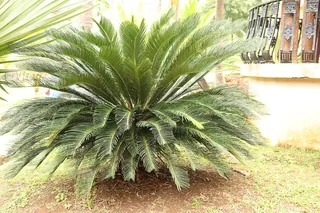 Deadly
Sago palm
साइकस · cycasCycas revoluta and Cycas circinalis
Liver failure within days — and the orange-red seeds are the most poisonous part.
Gardens, hotel and office landscaping, society entrances and nurseries.
Deadly
Sago palm
साइकस · cycasCycas revoluta and Cycas circinalis
Liver failure within days — and the orange-red seeds are the most poisonous part.
Gardens, hotel and office landscaping, society entrances and nurseries.
-
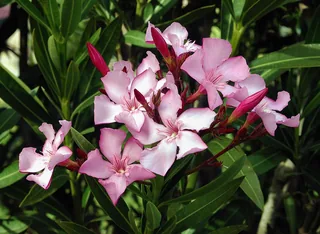 Deadly
Oleander
कनेर · kanerNerium oleander
Heart poison in every part — even in water that held the flowers.
Planted on national-highway medians and road dividers, in parks and housing societies — and its flowers are…
Deadly
Oleander
कनेर · kanerNerium oleander
Heart poison in every part — even in water that held the flowers.
Planted on national-highway medians and road dividers, in parks and housing societies — and its flowers are…
-
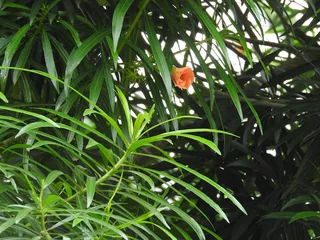 Deadly
Yellow oleander
पीला कनेर · peela kanerCascabela thevetia
Heart poisons, worst in the seeds.
Parks, gardens and roadsides; naturalised in the drier parts of India, and the yellow flowers are used in…
Deadly
Yellow oleander
पीला कनेर · peela kanerCascabela thevetia
Heart poisons, worst in the seeds.
Parks, gardens and roadsides; naturalised in the drier parts of India, and the yellow flowers are used in…
-
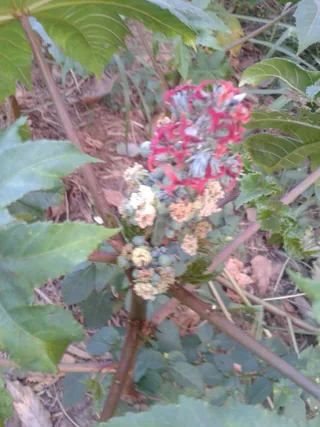 Deadly
Castor plant
अरंडी · arandiRicinus communis
Chewed seeds release ricin, and signs can take 12–48 hours to start.
A weed of vacant plots, roadsides and field edges across India, which grows over three-quarters of the…
Deadly
Castor plant
अरंडी · arandiRicinus communis
Chewed seeds release ricin, and signs can take 12–48 hours to start.
A weed of vacant plots, roadsides and field edges across India, which grows over three-quarters of the…
-
 Deadly
Rosary pea
गुंजा / रत्ती · gunja / rattiAbrus precatorius
A chewed or cracked seed releases abrin — treat seed beads and jewellery as poison.
A wild climber in hedges and scrub.
Deadly
Rosary pea
गुंजा / रत्ती · gunja / rattiAbrus precatorius
A chewed or cracked seed releases abrin — treat seed beads and jewellery as poison.
A wild climber in hedges and scrub.
-
 Deadly
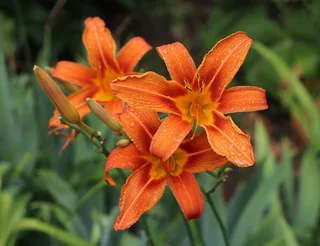
Daylily
Hemerocallis species
The same cat-only kidney failure as true lilies — from any amount of leaf, flower, pollen or vase water.
A garden perennial (photographed in Thane and Yercaud); less common than florist lilies.
Deadly
Daylily
Hemerocallis species
The same cat-only kidney failure as true lilies — from any amount of leaf, flower, pollen or vase water.
A garden perennial (photographed in Thane and Yercaud); less common than florist lilies.
-
 Deadly
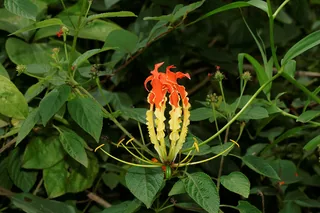
Glory lily
कलिहारी · kalihariGloriosa superba
Colchicine poisons the gut, kidneys, liver and bone marrow.
A wild climber across India and the state flower of Tamil Nadu.
Deadly
Glory lily
कलिहारी · kalihariGloriosa superba
Colchicine poisons the gut, kidneys, liver and bone marrow.
A wild climber across India and the state flower of Tamil Nadu.
-
 Deadly
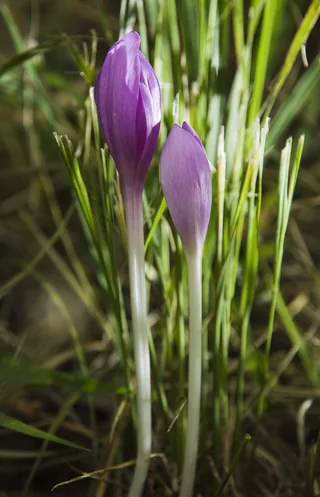
Autumn crocus
Colchicum autumnale
Colchicine poisoning — multi-organ damage and bone-marrow suppression.
Rare: imported bulbs and cool hill-station gardens.
Deadly
Autumn crocus
Colchicum autumnale
Colchicine poisoning — multi-organ damage and bone-marrow suppression.
Rare: imported bulbs and cool hill-station gardens.
-
 Deadly
Yew
Taxus species
Taxines can stop the heart suddenly.
Himalayan forests (the Himalayan yew has declined by up to 90% in India and Nepal) and a few hill-station…
Deadly
Yew
Taxus species
Taxines can stop the heart suddenly.
Himalayan forests (the Himalayan yew has declined by up to 90% in India and Nepal) and a few hill-station…
Severe11 plants
Can cause seizures, heart-rhythm changes or collapse. A vet, now.
-
 Severe
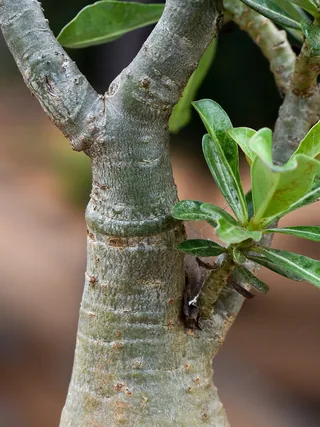
Desert rose
एडेनियम · adeniumAdenium obesum
Heart poisons of the oleander kind — potentially fatal.
A favourite grafted nursery and terrace plant, often kept on balcony ledges at exactly cat height.
Severe
Desert rose
एडेनियम · adeniumAdenium obesum
Heart poisons of the oleander kind — potentially fatal.
A favourite grafted nursery and terrace plant, often kept on balcony ledges at exactly cat height.
-
 Severe
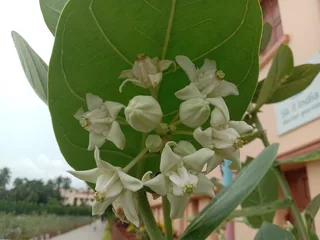
Crown flower
आक / मदार · aak / madarCalotropis gigantea and Calotropis procera
Heart poisons in the milky sap and every part.
Wasteland, roadsides and temple compounds everywhere.
Severe
Crown flower
आक / मदार · aak / madarCalotropis gigantea and Calotropis procera
Heart poisons in the milky sap and every part.
Wasteland, roadsides and temple compounds everywhere.
-
 Severe
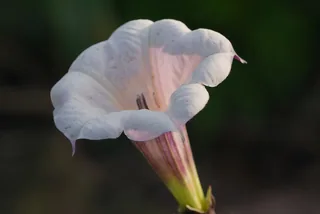
Datura
धतूरा · dhaturaDatura metel and Datura stramonium
Atropine-like alkaloids in every part.
A roadside weed all over India and sacred to Shiva: datura flowers and fruit are offered on Mahashivratri…
Severe
Datura
धतूरा · dhaturaDatura metel and Datura stramonium
Atropine-like alkaloids in every part.
A roadside weed all over India and sacred to Shiva: datura flowers and fruit are offered on Mahashivratri…
-
 Severe
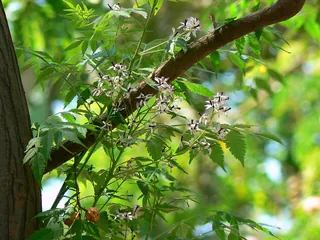
Chinaberry
बकायन / बकैन · bakayan / bakainMelia azedarach
Its ripe berries can cause seizures — and the tree is easily mistaken for neem.
A common North Indian roadside, park and courtyard tree.
Severe
Chinaberry
बकायन / बकैन · bakayan / bakainMelia azedarach
Its ripe berries can cause seizures — and the tree is easily mistaken for neem.
A common North Indian roadside, park and courtyard tree.
-
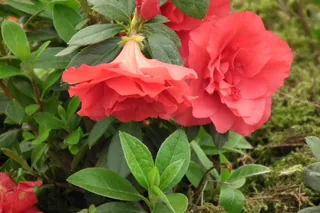 Severe
Azalea
Rhododendron species
Grayanotoxins — ASPCA warns that a few leaves can cause serious problems.
The tree rhododendron is Uttarakhand's state tree and Nagaland's state flower and grows in the Nilgiris…
Severe
Azalea
Rhododendron species
Grayanotoxins — ASPCA warns that a few leaves can cause serious problems.
The tree rhododendron is Uttarakhand's state tree and Nagaland's state flower and grows in the Nilgiris…
-
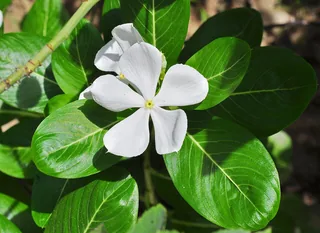 Severe
Periwinkle
सदाबहार · sadabaharCatharanthus roseus
Severe if a lot is eaten (vinca alkaloids); a nibble is usually mild.
Everywhere: self-seeding in pots, wall cracks, temple gardens and municipal beds; also used as a folk remedy.
Severe
Periwinkle
सदाबहार · sadabaharCatharanthus roseus
Severe if a lot is eaten (vinca alkaloids); a nibble is usually mild.
Everywhere: self-seeding in pots, wall cracks, temple gardens and municipal beds; also used as a folk remedy.
-
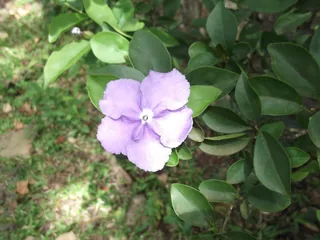 Severe
Brunfelsia
Brunfelsia species
Tremors and seizures that can last for several days.
A garden shrub in Indian gardens and nurseries (photographed in Yercaud and Thane).
Severe
Brunfelsia
Brunfelsia species
Tremors and seizures that can last for several days.
A garden shrub in Indian gardens and nurseries (photographed in Yercaud and Thane).
-
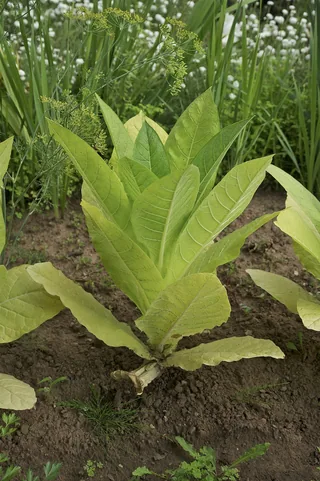 Severe
Tobacco
तम्बाकू · tambakuNicotiana tabacum
Nicotine acts fast with a narrow safety margin; concentrated products can kill.
The plant is a field crop and rare in homes.
Severe
Tobacco
तम्बाकू · tambakuNicotiana tabacum
Nicotine acts fast with a narrow safety margin; concentrated products can kill.
The plant is a field crop and rare in homes.
-
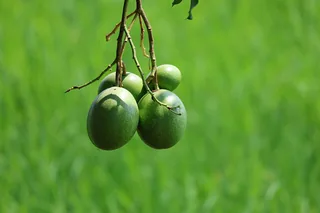 Severe
Pong-pong tree
Cerbera odollam
Presumed severe to deadly from human poisonings in Kerala — no veterinary data exist and it is not on ASPCA's cat list.
Kerala's backwaters and the south-west coast; rare elsewhere.
Severe
Pong-pong tree
Cerbera odollam
Presumed severe to deadly from human poisonings in Kerala — no veterinary data exist and it is not on ASPCA's cat list.
Kerala's backwaters and the south-west coast; rare elsewhere.
-
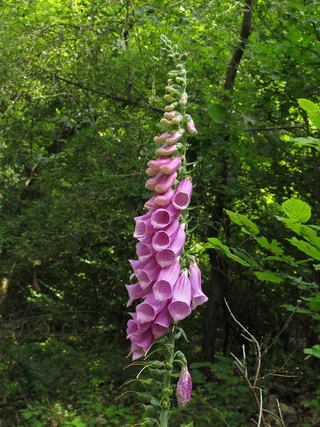 Severe
Foxglove
Digitalis purpurea
Heart poisons — potentially deadly.
Rare: cool hill-station gardens only.
Severe
Foxglove
Digitalis purpurea
Heart poisons — potentially deadly.
Rare: cool hill-station gardens only.
-
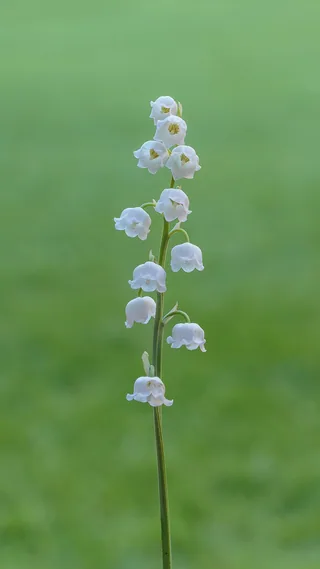 Severe
Lily of the valley
Convallaria majalis
A heart poison, not a kidney poison — it is not a true lily.
Rare: an imported florist and bridal flower at most.
Severe
Lily of the valley
Convallaria majalis
A heart poison, not a kidney poison — it is not a true lily.
Rare: an imported florist and bridal flower at most.
Moderate23 plants
A painful mouth or stomach, or cat-specific signs. Usually passes — call your vet.
-
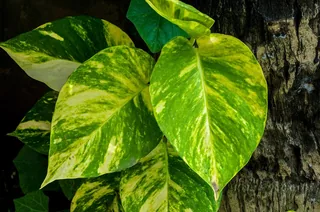 Moderate
Money plant
मनी प्लांटEpipremnum aureum
A painful mouth from oxalate crystals — rarely dangerous, but an emergency if breathing is affected.
Probably India's most common houseplant: in water bottles on windowsills, on balconies, office desks and…
Moderate
Money plant
मनी प्लांटEpipremnum aureum
A painful mouth from oxalate crystals — rarely dangerous, but an emergency if breathing is affected.
Probably India's most common houseplant: in water bottles on windowsills, on balconies, office desks and…
-
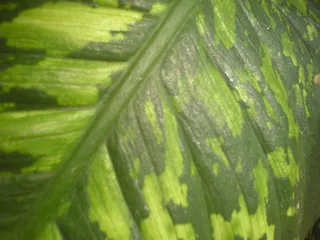 Moderate
Dieffenbachia
डाइफेनबेकियाDieffenbachia seguine and other species
The harshest of the oxalate houseplants (crystals plus an enzyme): severe mouth pain, rare throat swelling.
A common indoor foliage plant in homes, offices and lobbies.
Moderate
Dieffenbachia
डाइफेनबेकियाDieffenbachia seguine and other species
The harshest of the oxalate houseplants (crystals plus an enzyme): severe mouth pain, rare throat swelling.
A common indoor foliage plant in homes, offices and lobbies.
-
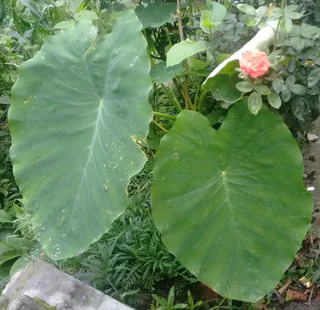 Moderate
Taro
अरबी · arbiColocasia esculenta
Oxalate crystals that feel like needles in the mouth.
Kitchen gardens, drain edges and monsoon pots; raw leaves come into kitchens for patra and alu vadi, and…
Moderate
Taro
अरबी · arbiColocasia esculenta
Oxalate crystals that feel like needles in the mouth.
Kitchen gardens, drain edges and monsoon pots; raw leaves come into kitchens for patra and alu vadi, and…
-
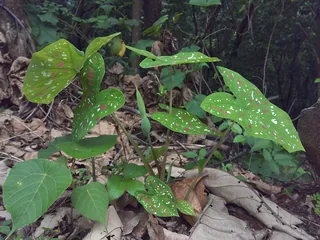 Moderate
Caladium
कैलेडियमCaladium bicolor
Oxalate crystals: drooling and mouth pain; very rarely the airway swells.
Grown from tubers in monsoon pots and shady balcony corners.
Moderate
Caladium
कैलेडियमCaladium bicolor
Oxalate crystals: drooling and mouth pain; very rarely the airway swells.
Grown from tubers in monsoon pots and shady balcony corners.
-
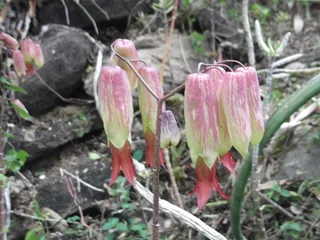 Moderate
Kalanchoe
पथरचटा · patharchattaKalanchoe blossfeldiana and Kalanchoe pinnata
Heart-type toxins: usually just a stomach upset, but a lot can change the heart rhythm.
Patharchatta is a common home and remedy plant; potted florist kalanchoe is sold in nurseries everywhere.
Moderate
Kalanchoe
पथरचटा · patharchattaKalanchoe blossfeldiana and Kalanchoe pinnata
Heart-type toxins: usually just a stomach upset, but a lot can change the heart rhythm.
Patharchatta is a common home and remedy plant; potted florist kalanchoe is sold in nurseries everywhere.
-
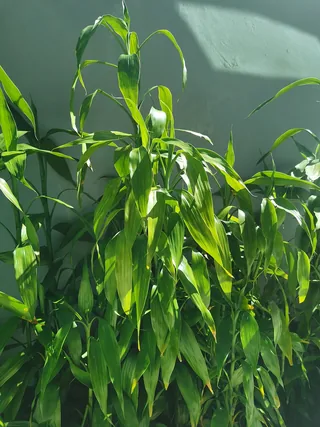 Moderate
Lucky bamboo
लकी बैम्बूDracaena sanderiana
Saponins — and, in cats specifically, dilated pupils and a wobbly walk.
A vastu and feng-shui gift on office desks, at entrances and on dining tables.
Moderate
Lucky bamboo
लकी बैम्बूDracaena sanderiana
Saponins — and, in cats specifically, dilated pupils and a wobbly walk.
A vastu and feng-shui gift on office desks, at entrances and on dining tables.
-
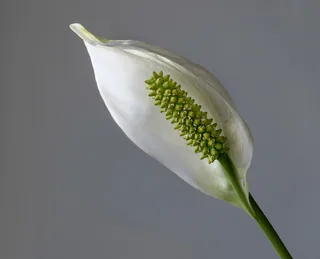 Moderate
Peace lily
पीस लिलीSpathiphyllum species
Mouth and stomach irritation from oxalate crystals — not the kidney failure of true lilies.
A favourite gift and office plant in apartments, offices and hotels.
Moderate
Peace lily
पीस लिलीSpathiphyllum species
Mouth and stomach irritation from oxalate crystals — not the kidney failure of true lilies.
A favourite gift and office plant in apartments, offices and hotels.
-
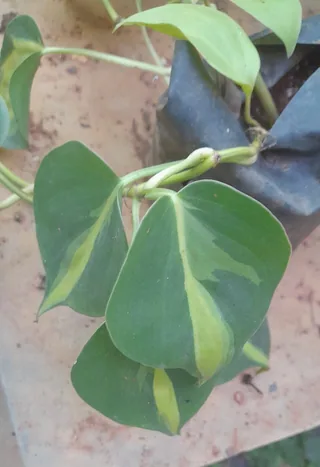 Moderate
Philodendron
फिलोडेंड्रॉनPhilodendron species
Oxalate crystals: a painful, swollen mouth and drooling; rarely throat swelling.
Living rooms, offices and hotel lobbies; trailing types on shelves and moss poles.
Moderate
Philodendron
फिलोडेंड्रॉनPhilodendron species
Oxalate crystals: a painful, swollen mouth and drooling; rarely throat swelling.
Living rooms, offices and hotel lobbies; trailing types on shelves and moss poles.
-
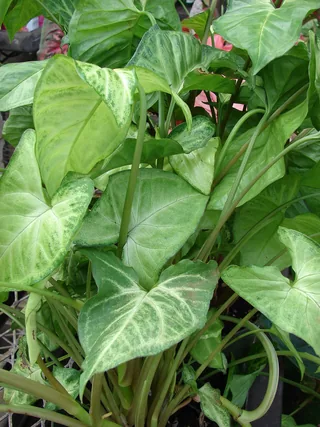 Moderate
Syngonium
सिंगोनियमSyngonium podophyllum
Oxalate crystals irritate the mouth, throat and skin.
Very popular in pink varieties in Indian nurseries — on desks, shelves and in bottles.
Moderate
Syngonium
सिंगोनियमSyngonium podophyllum
Oxalate crystals irritate the mouth, throat and skin.
Very popular in pink varieties in Indian nurseries — on desks, shelves and in bottles.
-
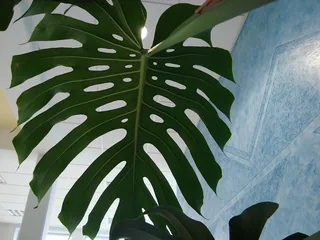 Moderate
Monstera
मॉन्स्टेराMonstera deliciosa
Oxalate crystals: intense mouth burning.
A popular large indoor plant for living rooms and cafés.
Moderate
Monstera
मॉन्स्टेराMonstera deliciosa
Oxalate crystals: intense mouth burning.
A popular large indoor plant for living rooms and cafés.
-
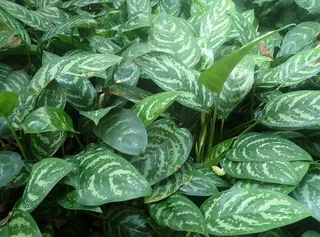 Moderate
Aglaonema
एग्लोनेमाAglaonema species
Oxalate crystals: drooling, gagging, vomiting; rarely throat swelling.
Sold everywhere in India, including the pink and red 'lucky' varieties.
Moderate
Aglaonema
एग्लोनेमाAglaonema species
Oxalate crystals: drooling, gagging, vomiting; rarely throat swelling.
Sold everywhere in India, including the pink and red 'lucky' varieties.
-
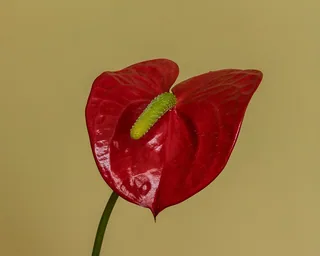 Moderate
Anthurium
एंथुरियमAnthurium andraeanum and A. scherzerianum
Oxalate crystals — and it turns up in wedding flowers as well as pots.
A gift and office plant, and a cut flower in Indian wedding and event décor.
Moderate
Anthurium
एंथुरियमAnthurium andraeanum and A. scherzerianum
Oxalate crystals — and it turns up in wedding flowers as well as pots.
A gift and office plant, and a cut flower in Indian wedding and event décor.
-
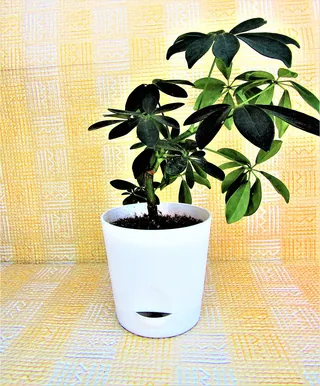 Moderate
Schefflera
शेफलेराSchefflera arboricola and S. actinophylla
Oxalate crystals: burning mouth, drooling, vomiting.
A hardy indoor and terrace plant in offices and homes.
Moderate
Schefflera
शेफलेराSchefflera arboricola and S. actinophylla
Oxalate crystals: burning mouth, drooling, vomiting.
A hardy indoor and terrace plant in offices and homes.
-
 Moderate
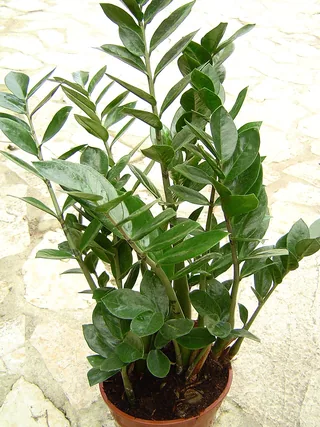
ZZ plant
ज़ेड-ज़ेड प्लांटZamioculcas zamiifolia
Provisional: there is no ASPCA or Pet Poison Helpline page.
A low-light office and living-room plant, popular as a gift.
Moderate
ZZ plant
ज़ेड-ज़ेड प्लांटZamioculcas zamiifolia
Provisional: there is no ASPCA or Pet Poison Helpline page.
A low-light office and living-room plant, popular as a gift.
-
 Moderate
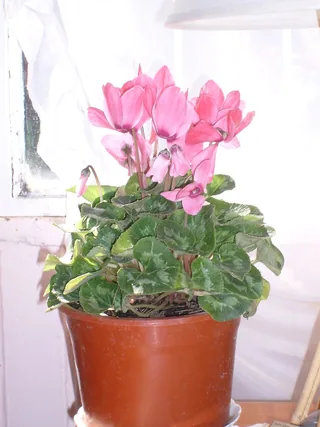
Cyclamen
Cyclamen persicum
Leaves upset the stomach; a dug-up tuber can affect the heart and cause seizures.
Uncommon in Indian homes — mostly a winter pot plant.
Moderate
Cyclamen
Cyclamen persicum
Leaves upset the stomach; a dug-up tuber can affect the heart and cause seizures.
Uncommon in Indian homes — mostly a winter pot plant.
-
 Moderate
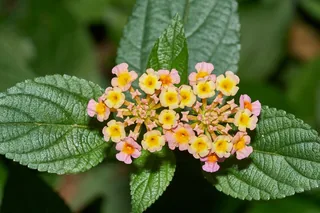
Lantana
Lantana camara
Stomach upset and laboured breathing in pets; the liver failure it's known for is mainly seen in livestock.
Invasive across about half of India's natural areas — in hedges, roadsides, parks and wasteland.
Moderate
Lantana
Lantana camara
Stomach upset and laboured breathing in pets; the liver failure it's known for is mainly seen in livestock.
Invasive across about half of India's natural areas — in hedges, roadsides, parks and wasteland.
-
 Moderate
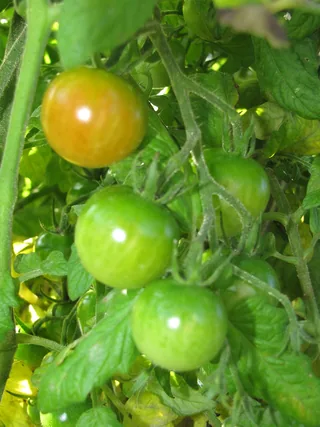
Tomato plant
टमाटर · tamatarSolanum lycopersicum
The leaves, stems and green fruit — ripe tomatoes are non-toxic.
Terrace and kitchen gardens and rooftop grow-bags.
Moderate
Tomato plant
टमाटर · tamatarSolanum lycopersicum
The leaves, stems and green fruit — ripe tomatoes are non-toxic.
Terrace and kitchen gardens and rooftop grow-bags.
-
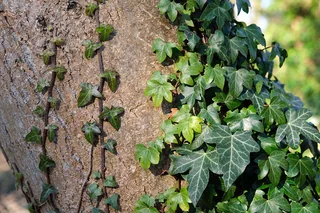 Moderate
English ivy
Hedera helix
Saponins: vomiting, belly pain and diarrhoea.
Uncommon on the plains; sold in hill stations and as an indoor hanging plant.
Moderate
English ivy
Hedera helix
Saponins: vomiting, belly pain and diarrhoea.
Uncommon on the plains; sold in hill stations and as an indoor hanging plant.
-
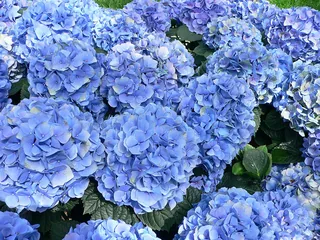 Moderate
Hydrangea
Hydrangea macrophylla
Provisional: it contains a cyanogenic glycoside, but pets usually get only a stomach upset.
Hill-station gardens and florists' cut flowers.
Moderate
Hydrangea
Hydrangea macrophylla
Provisional: it contains a cyanogenic glycoside, but pets usually get only a stomach upset.
Hill-station gardens and florists' cut flowers.
- Moderate Calla lily Zantedeschia species Oxalate crystals — a painful mouth, not kidney failure. Mostly seen as a florist flower in bouquets and décor.
- Moderate Amaryllis Amaryllis species Lycorine: vomiting and, sometimes, tremors. Sold as a flowering bulb and a cut flower.
- Moderate Indian borage Coleus amboinicus Essential oils — mostly a stomach upset, occasionally with blood. A pot herb in Indian kitchen gardens.
- Moderate Purslane Portulaca oleracea Soluble oxalates: drooling and tremors; kidney failure is rare. A common weed and leafy vegetable; moss rose fills sunny balcony pots.
Mild17 plants
Brief drooling, vomiting or diarrhoea. Watch, and call your vet if it keeps going.
-
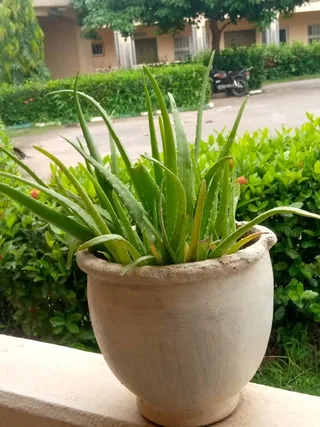 Mild
Aloe vera
घृत कुमारी / ग्वारपाठा · ghritkumari / gwarpathaAloe vera
The yellow sap under the leaf skin is a purgative; the clear inner gel is considered edible.
Balconies, kitchen windows and rooftop pots everywhere — and a favourite home remedy.
Mild
Aloe vera
घृत कुमारी / ग्वारपाठा · ghritkumari / gwarpathaAloe vera
The yellow sap under the leaf skin is a purgative; the clear inner gel is considered edible.
Balconies, kitchen windows and rooftop pots everywhere — and a favourite home remedy.
-
 Mild
Snake plant
स्नेक प्लांटDracaena trifasciata
Saponins: nausea, vomiting and diarrhoea.
Bedrooms, offices and 'air-purifier' gift plants — in every Indian nursery.
Mild
Snake plant
स्नेक प्लांटDracaena trifasciata
Saponins: nausea, vomiting and diarrhoea.
Bedrooms, offices and 'air-purifier' gift plants — in every Indian nursery.
-
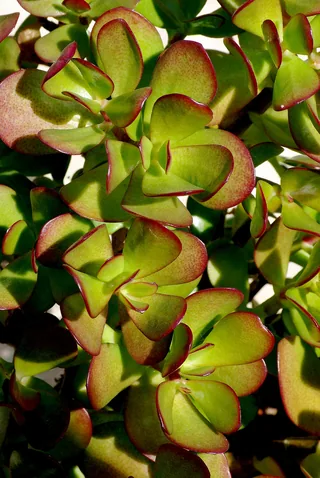 Mild
Jade plant
जेड पौधा · jade paudhaCrassula ovata
Usually a mild stomach upset; less often lethargy and a wobbly walk.
Sold as 'lucky jade' for desks, entrances and gifts.
Mild
Jade plant
जेड पौधा · jade paudhaCrassula ovata
Usually a mild stomach upset; less often lethargy and a wobbly walk.
Sold as 'lucky jade' for desks, entrances and gifts.
-
 Mild
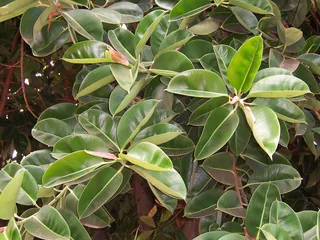
Rubber plant
रबर वृक्ष · rabar vrikshFicus elastica and Ficus benjamina
An irritating milky sap: mouth, stomach and skin irritation.
Living rooms, offices and building lobbies.
Mild
Rubber plant
रबर वृक्ष · rabar vrikshFicus elastica and Ficus benjamina
An irritating milky sap: mouth, stomach and skin irritation.
Living rooms, offices and building lobbies.
-
 Mild
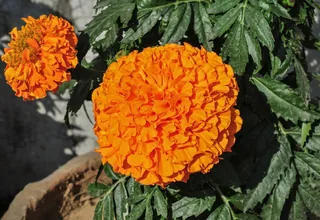
Marigold
गेंदा · gendaTagetes erecta and Tagetes patula
A mild stomach upset and skin irritation from the sap (Pet Poison Helpline).
India's puja and festival flower: garlands, torans and rangoli at Diwali, Dussehra and weddings — mostly as…
Mild
Marigold
गेंदा · gendaTagetes erecta and Tagetes patula
A mild stomach upset and skin irritation from the sap (Pet Poison Helpline).
India's puja and festival flower: garlands, torans and rangoli at Diwali, Dussehra and weddings — mostly as…
-
 Mild
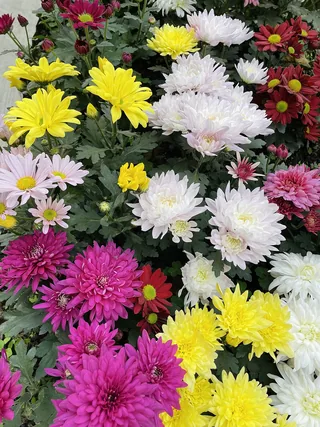
Chrysanthemum
गुलदाउदी · guldaudiChrysanthemum × morifolium and other species
Usually just a stomach upset; occasionally drooling or a wobbly walk.
Winter pots, temple and wedding garlands, and chrysanthemum shows from November to January.
Mild
Chrysanthemum
गुलदाउदी · guldaudiChrysanthemum × morifolium and other species
Usually just a stomach upset; occasionally drooling or a wobbly walk.
Winter pots, temple and wedding garlands, and chrysanthemum shows from November to January.
-
 Mild
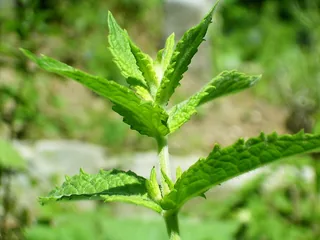
Mint
पुदीना · pudinaMentha species
The plant: vomiting and diarrhoea after a lot.
Almost every Indian kitchen garden and window box.
Mild
Mint
पुदीना · pudinaMentha species
The plant: vomiting and diarrhoea after a lot.
Almost every Indian kitchen garden and window box.
-
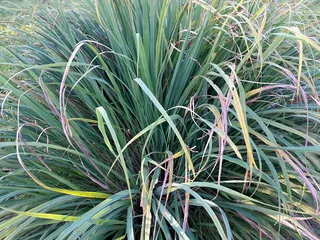 Mild
Lemongrass
नीबू घास · nimbu ghasCymbopogon citratus
A stomach upset.
Kitchen gardens and balcony pots, grown for chai.
Mild
Lemongrass
नीबू घास · nimbu ghasCymbopogon citratus
A stomach upset.
Kitchen gardens and balcony pots, grown for chai.
-
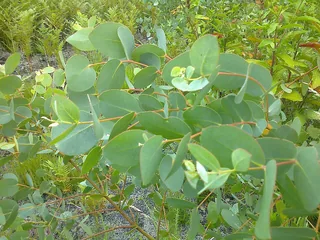 Mild
Eucalyptus
नीलगिरी · nilgiriEucalyptus species
Leaves: minor nausea.
Roadside and plantation trees and cut stems in décor — plus eucalyptus oil for steam inhalation and cold…
Mild
Eucalyptus
नीलगिरी · nilgiriEucalyptus species
Leaves: minor nausea.
Roadside and plantation trees and cut stems in décor — plus eucalyptus oil for steam inhalation and cold…
-
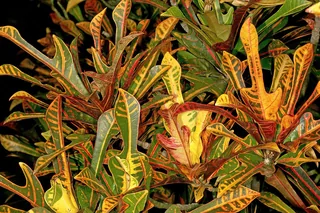 Mild
Croton
क्रोटनCodiaeum variegatum
Mild mouth and stomach irritation; sap in the eye is very painful.
Very common in Indian gardens, temple compounds, offices and apartment lobbies.
Mild
Croton
क्रोटनCodiaeum variegatum
Mild mouth and stomach irritation; sap in the eye is very painful.
Very common in Indian gardens, temple compounds, offices and apartment lobbies.
-
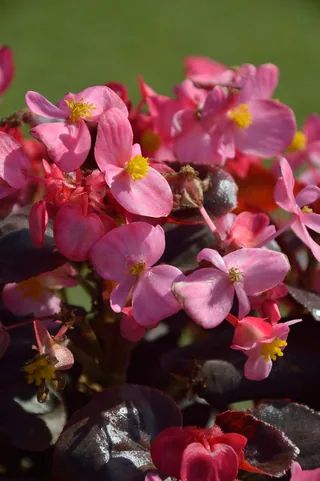 Mild
Begonia
बेगोनियाBegonia species
Soluble oxalates; the underground tubers are the most toxic part.
Balcony pots and flower shows.
Mild
Begonia
बेगोनियाBegonia species
Soluble oxalates; the underground tubers are the most toxic part.
Balcony pots and flower shows.
-
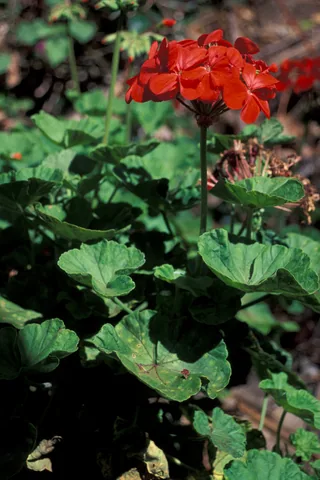 Mild
Geranium
जेरेनियमPelargonium × hortorum and P. graveolens
A mild stomach upset and skin irritation; cats are the most sensitive to scented types.
Balcony and window-box pots.
Mild
Geranium
जेरेनियमPelargonium × hortorum and P. graveolens
A mild stomach upset and skin irritation; cats are the most sensitive to scented types.
Balcony and window-box pots.
-
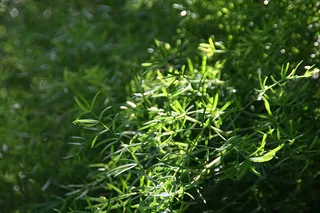 Mild
Asparagus fern
Asparagus setaceus and A. densiflorus 'Sprengeri'
Its berries upset the stomach; repeated contact irritates the skin.
Hanging baskets, balcony pots and bouquet filler.
Mild
Asparagus fern
Asparagus setaceus and A. densiflorus 'Sprengeri'
Its berries upset the stomach; repeated contact irritates the skin.
Hanging baskets, balcony pots and bouquet filler.
- Mild Gardenia Gardenia jasminoides Mild vomiting, diarrhoea or hives. Garden shrub grown for its scent.
-
 Mild
Poinsettia
Euphorbia pulcherrima
Mildly irritating — 'generally over-rated in toxicity' (ASPCA).
A Christmas and winter plant in cities and churches; a garden shrub in Kerala and the north-east.
Mild
Poinsettia
Euphorbia pulcherrima
Mildly irritating — 'generally over-rated in toxicity' (ASPCA).
A Christmas and winter plant in cities and churches; a garden shrub in Kerala and the north-east.
-
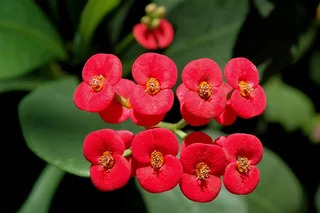 Mild
Crown of thorns
Euphorbia milii
Mild mouth and stomach irritation; sap in the eye needs a vet.
A very common balcony and road-divider succulent.
Mild
Crown of thorns
Euphorbia milii
Mild mouth and stomach irritation; sap in the eye needs a vet.
A very common balcony and road-divider succulent.
-
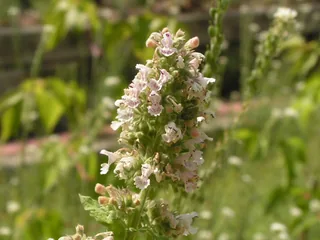 Mild
Catnip
कैटनिपNepeta cataria
Fine in small amounts; a lot can cause vomiting or diarrhoea.
Mostly sold dried in pet shops.
Mild
Catnip
कैटनिपNepeta cataria
Fine in small amounts; a lot can cause vomiting or diarrhoea.
Mostly sold dried in pet shops.
?Not assessed7 plants
No vet database has assessed it for cats — that is not proof of safety.
-
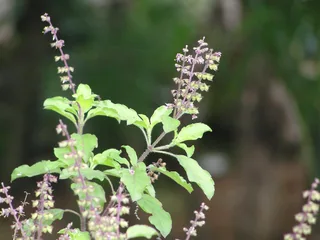 ?Not assessed
Tulsi
तुलसीOcimum tenuiflorum
Not formally assessed for cats.
In a tulsi chaura in the courtyard or on the balcony of most Hindu homes, worshipped daily; Tulsi Vivah is a…
?Not assessed
Tulsi
तुलसीOcimum tenuiflorum
Not formally assessed for cats.
In a tulsi chaura in the courtyard or on the balcony of most Hindu homes, worshipped daily; Tulsi Vivah is a…
-
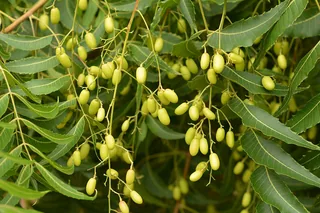 ?Not assessed
Neem
नीमAzadirachta indica
The tree isn't on toxic-plant lists — but neem OIL has harmed cats.
Courtyard, temple and street trees; leaves kept in cupboards against moths, neem oil used as a plant…
?Not assessed
Neem
नीमAzadirachta indica
The tree isn't on toxic-plant lists — but neem OIL has harmed cats.
Courtyard, temple and street trees; leaves kept in cupboards against moths, neem oil used as a plant…
-
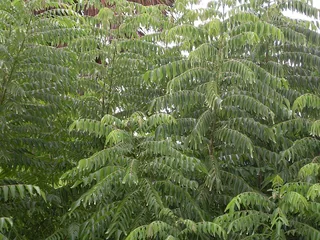 ?Not assessed
Curry leaf
करी पत्ता / मीठा नीम · kari patta / meetha neemMurraya koenigii
Not listed or assessed for cats; only human and rodent studies exist.
Almost every South- and West-Indian kitchen garden, and more and more NCR terrace pots.
?Not assessed
Curry leaf
करी पत्ता / मीठा नीम · kari patta / meetha neemMurraya koenigii
Not listed or assessed for cats; only human and rodent studies exist.
Almost every South- and West-Indian kitchen garden, and more and more NCR terrace pots.
-
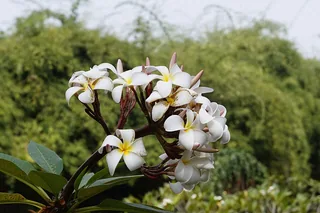 ?Not assessed
Frangipani
चम्पा · champaPlumeria rubra, P. obtusa and P. alba
No ASPCA, Pet Poison Helpline or NC State data.
Temple compounds, offerings and garden trees; also at Buddhist and Jain sites.
?Not assessed
Frangipani
चम्पा · champaPlumeria rubra, P. obtusa and P. alba
No ASPCA, Pet Poison Helpline or NC State data.
Temple compounds, offerings and garden trees; also at Buddhist and Jain sites.
-
 ?Not assessed
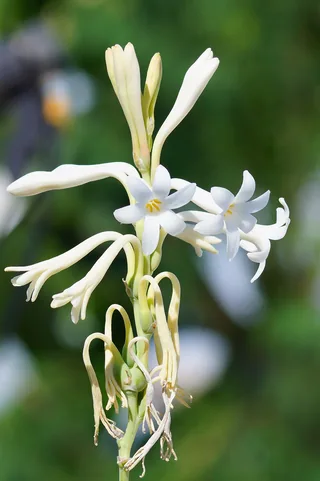
Tuberose
रजनीगंधा · rajnigandhaAgave amica
No cat data — but check rajnigandha bouquets for true lilies.
A wedding and puja cut flower — vase sticks and stage décor.
?Not assessed
Tuberose
रजनीगंधा · rajnigandhaAgave amica
No cat data — but check rajnigandha bouquets for true lilies.
A wedding and puja cut flower — vase sticks and stage décor.
- ?Not assessed Raat ki rani रात की रानीCestrum nocturnum Not on ASPCA's cat list; no cat data were found. Garden hedges and courtyards, grown for its night scent.
-
 ?Not assessed
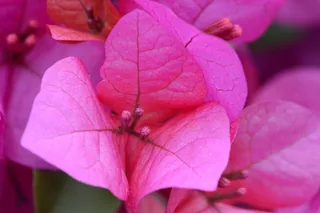
Bougainvillea
बोगनवेलियाBougainvillea glabra, B. spectabilis and hybrids
Not listed as toxic; the thorns and sap are the practical risks.
India's commonest balcony, boundary-wall and highway-median climber — on terraces all over Noida and Delhi.
?Not assessed
Bougainvillea
बोगनवेलियाBougainvillea glabra, B. spectabilis and hybrids
Not listed as toxic; the thorns and sap are the practical risks.
India's commonest balcony, boundary-wall and highway-median climber — on terraces all over Noida and Delhi.
Cat-safe plants for Indian homes
Listed non-toxic to cats — mogra, gulab, ixora and areca palm among them. Any plant eaten in quantity can still cause a little vomiting, and nursery pesticide is its own risk.
-
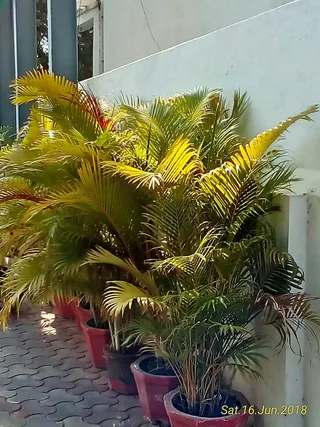 Areca palmएरिका पामDypsis lutescens
Safe
Areca palmएरिका पामDypsis lutescens
Safe
-
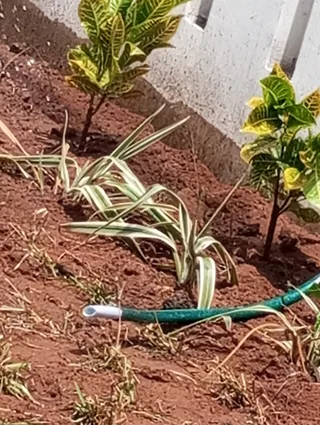 Spider plantस्पाइडर प्लांटChlorophytum comosum
Safe
Spider plantस्पाइडर प्लांटChlorophytum comosum
Safe
-
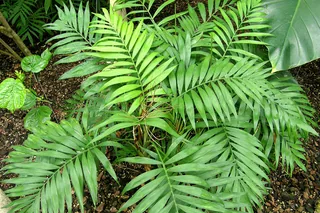 Parlour palmChamaedorea elegans
Safe
Parlour palmChamaedorea elegans
Safe
-
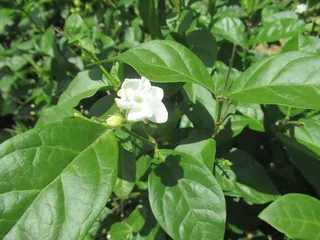 Jasmineमोगरा / जूही / चमेली · mogra / juhi / chameliJasminum sambac, J. auriculatum, J. grandiflorum
Safe
Jasmineमोगरा / जूही / चमेली · mogra / juhi / chameliJasminum sambac, J. auriculatum, J. grandiflorum
Safe
-
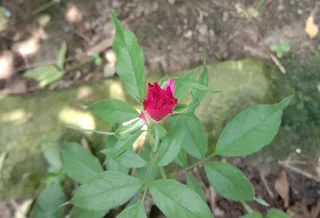 Roseगुलाब · gulabRosa species
Safe
Roseगुलाब · gulabRosa species
Safe
-
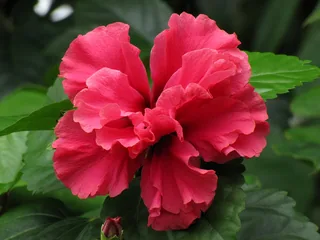 Hibiscusगुड़हल · gudhalHibiscus rosa-sinensis
Safe
Hibiscusगुड़हल · gudhalHibiscus rosa-sinensis
Safe
-
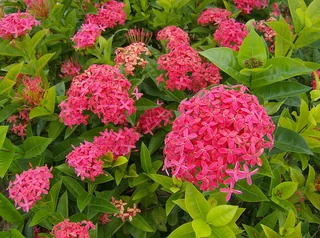 Ixoraरुक्मिणी · rukminiIxora coccinea
Safe
Ixoraरुक्मिणी · rukminiIxora coccinea
Safe
-
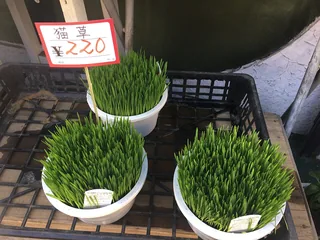 Cat grassजई / गेहूँ के जवारे · jai / gehun ke jawareAvena sativa
Safe
Cat grassजई / गेहूँ के जवारे · jai / gehun ke jawareAvena sativa
Safe
-
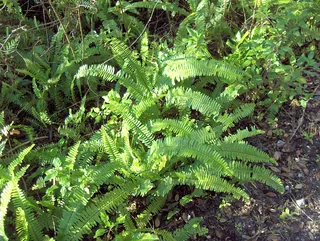 Boston fernNephrolepis exaltata
Safe
Boston fernNephrolepis exaltata
Safe
-
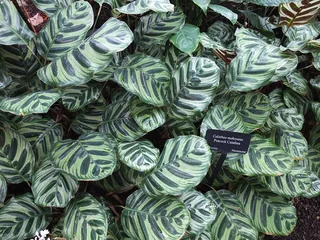 CalatheaGoeppertia
Safe
CalatheaGoeppertia
Safe
-
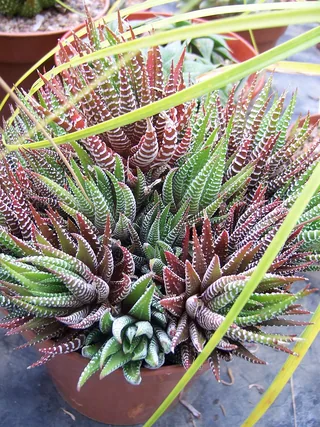 HaworthiaHaworthiopsis attenuata, H. fasciata and Haworthia species
Safe
HaworthiaHaworthiopsis attenuata, H. fasciata and Haworthia species
Safe
-
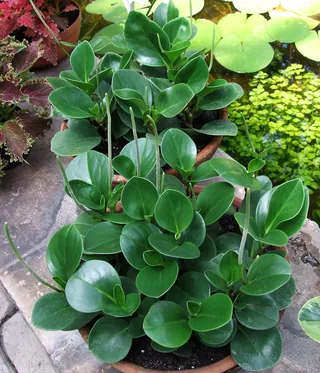 PeperomiaPeperomia obtusifolia, P. caperata and others
Safe
PeperomiaPeperomia obtusifolia, P. caperata and others
Safe
-
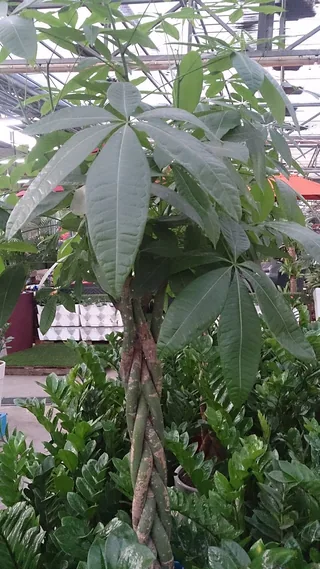 Money treePachira aquatica
Safe
Money treePachira aquatica
Safe
- Moth orchidऑर्किड · orchidPhalaenopsis species Safe
-
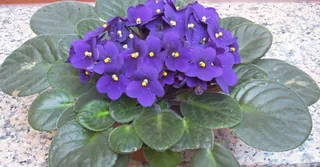 African violetSaintpaulia
Safe
African violetSaintpaulia
Safe
-
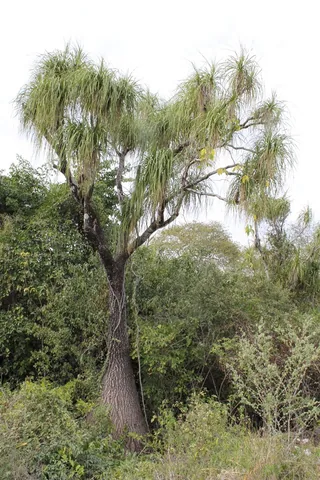 Ponytail palmBeaucarnea recurvata
Safe
Ponytail palmBeaucarnea recurvata
Safe
-
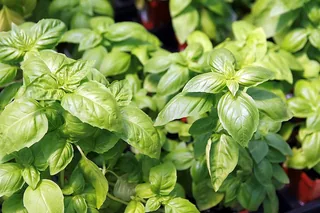 Sweet basilOcimum basilicum
Safe
Sweet basilOcimum basilicum
Safe
-
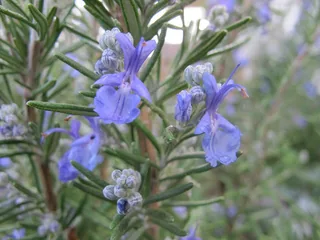 Rosemaryरोज़मेरीSalvia rosmarinus
Safe
Rosemaryरोज़मेरीSalvia rosmarinus
Safe
- Corianderधनिया · dhaniaCoriandrum sativum Safe
- Sunflowerसूरजमुखी · surajmukhiHelianthus annuus Safe
-
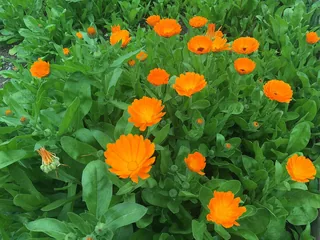 Pot marigoldगुले अशर्फ़ी · gul-e-asharfiCalendula officinalis
Safe
Pot marigoldगुले अशर्फ़ी · gul-e-asharfiCalendula officinalis
Safe
- Bambooबाँस · baansPhyllostachys aurea Safe
- HoyaHoya carnosa Safe
Puja room to roadside
Where Indian cats meet them
Where each plant usually turns up in an Indian home, street or temple — tap one for the details.
-
Puja room & temple
Flowers, garlands and offerings — keep them off the floor.
-
Bouquets & weddings
Check every arrangement for true lilies.
-
Balcony & windowsill
Pots sit at exactly cat height.
-
Living room & office
Gift plants and 'air-purifier' favourites.
-
Society garden & roadside
Outdoor cats pass these every day.
-
Kitchen garden
Herb and vegetable pots.
Same name, different plant
Name traps — same name, different plant
Indian common names cover several plants — and foreign websites often answer about the wrong one. Always check the botanical name.
-
People call itMoney plant
Usually it'sGolden pothos (Epipremnum aureum) — toxic
Don't confuse it withMoney tree (Pachira) — non-toxic; jade, sold as a 'lucky' plant — mildly toxic
-
People call itKaner
Usually it'sPink, white or red kaner (Nerium oleander) — deadly
Don't confuse it withPeela kaner (Cascabela thevetia) — also deadly
-
People call itLily
Usually it'sTrue lilies (Lilium) — deadly
Don't confuse it withPeace and calla lily (mouth irritation), glory lily (colchicine), lily of the valley (heart)
-
People call itLucky bamboo
Usually it'sA dracaena (Dracaena sanderiana) — toxic
Don't confuse it withTrue bamboo (Phyllostachys) — non-toxic
-
People call itNeem
Usually it'sAzadirachta indica — not assessed; neem oil harms cats
Don't confuse it withBakain or 'ghoda-neem' (Melia azedarach) — berries cause seizures; curry leaf is 'meetha neem'
-
People call itAreca palm
Usually it'sDypsis lutescens — non-toxic
Don't confuse it withSupari (Areca catechu) — not assessed; sago palm or cycas — deadly
-
People call itMarigold
Usually it'sGenda (Tagetes) — mildly toxic
Don't confuse it withPot marigold (Calendula) — ASPCA's 'non-toxic marigold'
-
People call itRubber plant
Usually it'sFicus elastica or F. benjamina — mildly toxic
Don't confuse it with'Baby rubber plant' (peperomia) — non-toxic
-
People call itJasmine
Usually it'sMogra, juhi, chameli (Jasminum) — non-toxic
Don't confuse it withGardenia ('Cape jasmine'), brunfelsia ('lady-of-the-night'), raat ki rani
-
People call itRose
Usually it'sGulab (Rosa) — non-toxic
Don't confuse it withDesert rose (adenium) — heart poison; moss rose (purslane) — toxic
-
People call itSadabahar
Usually it'sCatharanthus roseus — toxic; ASPCA files it as 'Vinca rosea'
Don't confuse it withGarden balsam (impatiens) — non-toxic
-
People call itShatavari
Usually it'sAyurvedic Asparagus racemosus — not assessed
Don't confuse it withASPCA's 'shatavari' alias is asparagus fern — mildly toxic
-
People call itChampa
Usually it'sFrangipani (Plumeria) — not assessed
Don't confuse it withMagnolia champaca — a different tree
What to do if your cat ate a plant
Not sure what it was? Photograph the plant and the chewed leaves — the botanical name on the nursery tag helps the vet most. Then:
- Call your vet or go to a 24×7 pet clinic now — say what, when and roughly how much.
- Take the plant, the packet or a clear photo with you.
- Don't make your cat vomit at home unless a vet tells you to.
- No milk, oil, salt water or home remedies.
- A cat that looks fine can still be poisoned — lilies, onion, garlic and rat poison act late.
India has no pet poison helpline yet — the US lines serve North America. Near Noida and can't find an open vet? Message us and we'll help you find one. We can't give medical advice.
Good to know
Plant questions, answered
Still unsure? Ask your vet. Near Noida and need help finding one? Message us — we'll help you find a vet, never play one.
Is money plant toxic to cats?
Yes. India's money plant is golden pothos (Epipremnum aureum), which ASPCA lists as toxic: chewing it releases needle-like oxalate crystals that burn the mouth and cause drooling and vomiting. It's painful but rarely dangerous — go to a vet at once if breathing is affected. Foreign pages that call the 'money tree' safe are describing Pachira, a different plant.
Is tulsi safe for cats?
Tulsi has not been formally assessed for cats. Its close relative sweet basil is listed non-toxic by ASPCA, and we know of no reports of tulsi poisoning — a nibble is not a worry. Discourage regular chewing, and never give tulsi oil or extracts.
Is aloe vera safe for cats?
Not really. ASPCA lists aloe as toxic to cats: the yellow sap under the leaf skin causes vomiting, diarrhoea and lethargy. The clear gel is considered edible, but don't put aloe products where your cat can lick them.
Are lilies dangerous to cats?
Yes — true lilies and daylilies are the most dangerous plants for cats. A nibble, pollen licked off the fur or a sip of vase water can cause kidney failure within days, and only cats are affected. Go to a vet at once, even if your cat looks fine. Peace lily and calla lily are not true lilies; they irritate the mouth.
Is snake plant safe for cats?
It's mildly toxic: its saponins cause nausea, vomiting and diarrhoea. Rarely serious, but keep it out of reach — haworthia or a ponytail palm are cat-safe swaps.
Is marigold (genda) toxic to cats?
Mildly. Pet Poison Helpline says genda (Tagetes) can cause a mild stomach upset and its sap can irritate skin. Pages that call marigold non-toxic are quoting ASPCA's entry for a different plant, pot marigold (Calendula).
Is areca palm safe for cats?
Yes — ASPCA lists areca palm (Dypsis lutescens) as non-toxic. Don't confuse it with sago palm (cycas), which is deadly, or with supari, the betel-nut palm, which hasn't been assessed.
Is neem safe for cats?
The neem tree isn't on toxic-plant lists and hasn't been assessed for cats, but neem oil products have caused drooling, wobbliness and seizures in cats — never use neem oil on a cat. And check your 'neem' isn't bakain, whose berries cause seizures.
Are mogra and other jasmines safe for cats?
Yes — ASPCA lists true jasmines (mogra, juhi, chameli) as non-toxic. Some 'jasmines' aren't jasmines: gardenia ('Cape jasmine') is mildly toxic and brunfelsia ('lady-of-the-night') can cause seizures.
Is hibiscus (gudhal) safe for cats?
ASPCA lists hibiscus (H. syriacus, which it also calls 'Rose of China') as non-toxic; the Indian gudhal (H. rosa-sinensis) has no listing of its own. Eating a lot may cause a mild upset stomach.
Is there a pet poison helpline in India?
We couldn't find one. The ASPCA and Pet Poison Helpline numbers serve North America. Call your own vet or a 24×7 pet clinic; near Noida, WhatsApp us and we'll help you find one — we can't give medical advice.
Should I make my cat vomit if it ate a poisonous plant?
No — not at home, unless a vet tells you to. Emptying the stomach is a vet's job, and some things do more damage coming back up. Go to the vet with the plant or a photo.
Why does my cat chew plants — and what can I give it instead?
Cats that chew houseplants are usually indoor cats with little access to grass. Cornell's Feline Health Center suggests oat grass, catnip and catmint: grow oat or wheat cat grass — your Navratri jaware are the same idea — without pesticide.
Where these facts come from
Every plant page lists its own sources with links. The guide rests on the ASPCA cat plant list, Pet Poison Helpline, International Cat Care, the Merck Veterinary Manual and Cornell's Feline Health Center. NC State's plant toolbox rates danger for people, so we never quote it as a cat rating. Hindi and regional names come from Wikipedia and Wikidata; photos from Wikimedia Commons, credited under each one.
Facts last checked
General information for cat parents, not a diagnosis or a treatment plan. The facts come from ASPCA, Pet Poison Helpline, International Cat Care, the Merck Veterinary Manual and the other sources listed on every page — and we say so when the evidence comes from dogs or people. If your cat may have eaten something harmful, call your vet.
The BilluBnB family
More sunny corners for your cat
Boarding, grooming, a cat blog, cat-approved picks — all with the same promise.
-
The Whisker Journal
Cat-care stories, tips and tail-twitching truths — fresh every morning.
blog.billubnb.in Read the journal -
Billu's Purrfect Picks
Toys, scratchers and comfy things our own cats approved. No sponsors — only purrfect trust.
shop.billubnb.in See our picks -
Fluff & Fuss Spa
Baths, nail trims and Persian-level pampering — gently, never in a hurry.
groom.billubnb.in See grooming & combos -
Meow Talk
Why do they purr? Should you get a second cat? Swipe the answers, or book a chat.
talk.billubnb.in Swipe cat questions
Going away? Pick a home that knows this list.
Book free, visit first and see the home for yourself — you pay only on drop-off.