Plant safety for cats
Is calathea safe for cats?
SafeListed non-toxic to cats by ASPCA
Yes — calathea and the prayer plant (maranta) are safe for cats: ASPCA lists them non-toxic. A good swap for aglaonema and dieffenbachia.
Why safe: Listed non-toxic to cats by ASPCA.
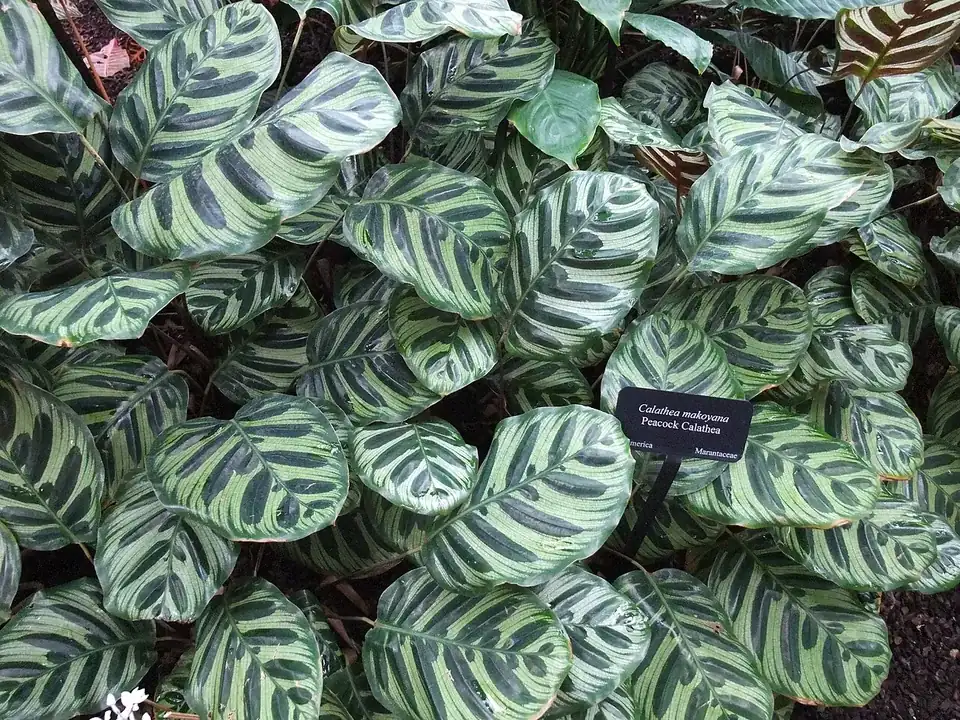
- Name
- Calatheaalso Prayer plant, Maranta, Rattlesnake plant
- Botanical name
- Goeppertia (formerly Calathea) species and Maranta leuconeura · Marantaceae
How to recognise it
- Patterned oval leaves — stripes, feathering or pink lines
- Leaves fold up at night (they 'pray')
- Often purple underneath, with a small joint where the leaf meets its stalk
Look-alikes and name traps
Looks a little like aglaonema (toxic), whose leaves are thicker and don't fold up at night.
What to do
Listed non-toxic — no poisoning is expected.
- Any plant eaten in quantity can still cause a little vomiting or diarrhoea; call your vet if it keeps going.
- Pesticide or fertiliser on nursery plants is a separate risk: rinse new plants and keep fertiliser sticks out of the pot.
Where Indian cats meet it
An indoor foliage plant in homes and offices.
Sources
Facts last checked
General information for cat parents, not a diagnosis or a treatment plan. The facts come from ASPCA, Pet Poison Helpline, International Cat Care, the Merck Veterinary Manual and the other sources listed on every page — and we say so when the evidence comes from dogs or people. If your cat may have eaten something harmful, call your vet.