Plant safety for cats
Is parlour palm safe for cats?
SafeListed non-toxic to cats by ASPCA
Yes — parlour palm (and bamboo palm) is safe for cats: ASPCA lists it non-toxic. A good swap for lucky bamboo.
Why safe: Listed non-toxic to cats by ASPCA.
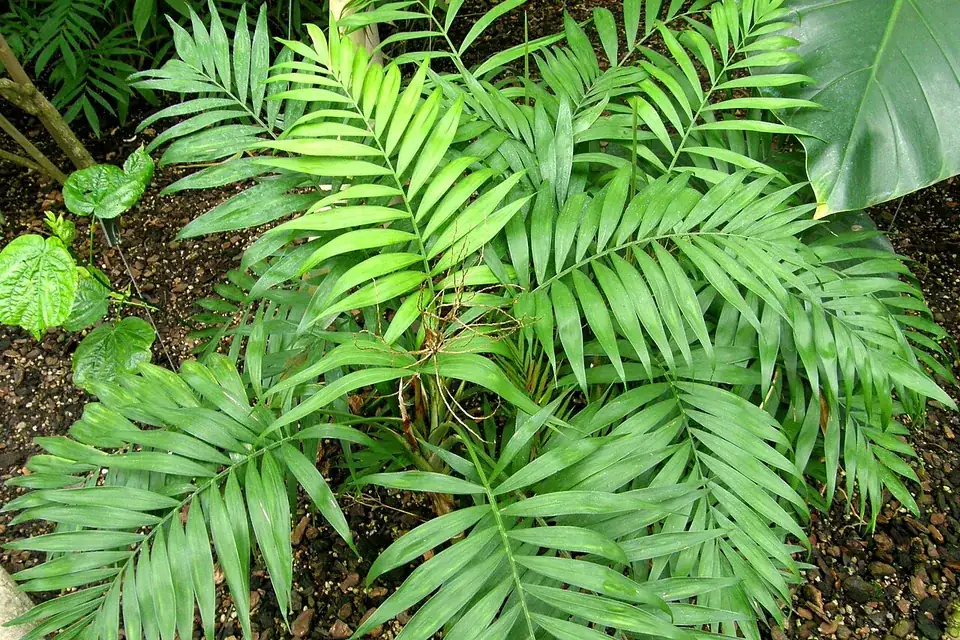
- Name
- Parlour palmalso Bamboo palm, Chamaedorea
- Botanical name
- Chamaedorea elegans (and C. seifrizii) · Arecaceae
How to recognise it
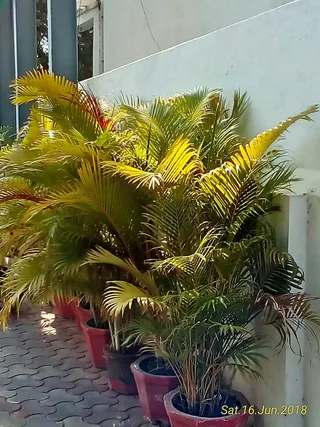
- A small, slow-growing palm with arching, feathery fronds
- Bamboo palm grows several thin, cane-like stems
Look-alikes and name traps
Very different from lucky bamboo (a toxic dracaena) and from sago palm (deadly).
What to do
Listed non-toxic — no poisoning is expected.
- Any plant eaten in quantity can still cause a little vomiting or diarrhoea; call your vet if it keeps going.
- Pesticide or fertiliser on nursery plants is a separate risk: rinse new plants and keep fertiliser sticks out of the pot.
Where Indian cats meet it
A desk and corner plant for low light.
Sources
- ASPCA Animal Poison Control: Parlor palm
- ASPCA Animal Poison Control: Bamboo palm
- ASPCA Animal Poison Control: Chamaedorea
Facts last checked
General information for cat parents, not a diagnosis or a treatment plan. The facts come from ASPCA, Pet Poison Helpline, International Cat Care, the Merck Veterinary Manual and the other sources listed on every page — and we say so when the evidence comes from dogs or people. If your cat may have eaten something harmful, call your vet.