Plant safety for cats
Is pong-pong tree toxic to cats?
SevereNot on ASPCA's cat list — rated from other sources
Yes — treat pong-pong (othalam) as dangerous for cats. There is no veterinary data, but its seeds carry a heart poison that caused about one human suicide death a week in Kerala in the 1990s. Keep cats away; see a vet if one chews it.
Why severe: Presumed severe to deadly from human poisonings in Kerala — no veterinary data exist and it is not on ASPCA's cat list.
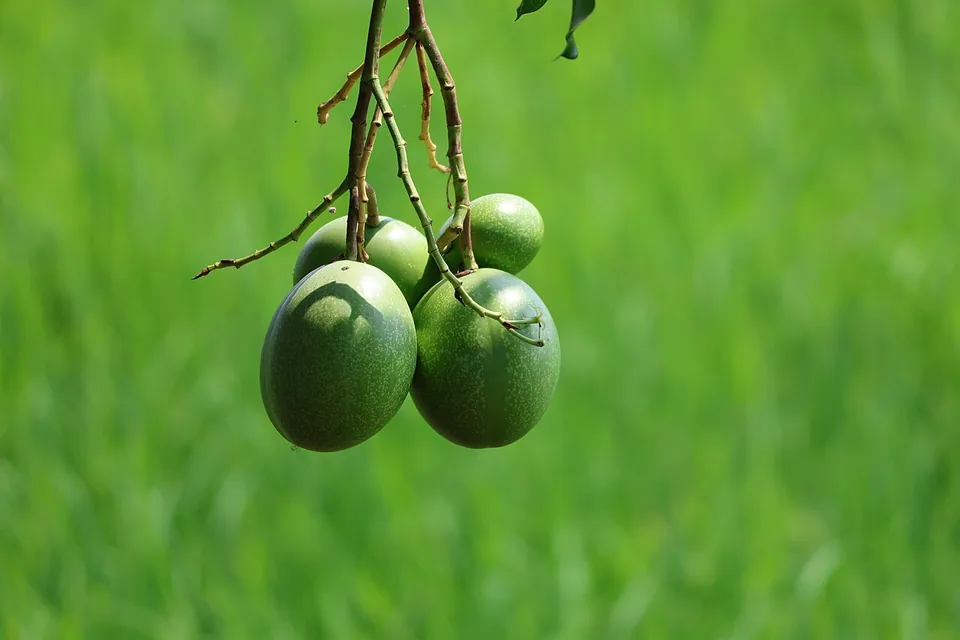
- Name
- Pong-pong treealso Othalam, Suicide tree, Kattu arali
- Botanical name
- Cerbera odollam · Apocynaceae
- Other Indian names
- Malayalamഒതളം (othalam)
- Tamilkattu arali
- Bengaliডাবুর (dabur)
Toxic parts
The seeds inside the fruit (from human cases).
What's in it
A cardiac glycoside (heart poison), known from human toxicology.
When signs start
No veterinary data exist.
How to recognise it
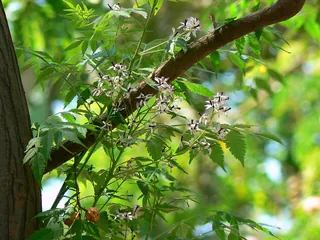
- Small coastal tree with glossy leaves
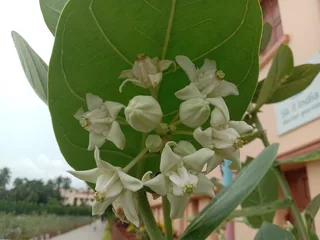
- White star-shaped flowers with a yellow centre
- Green, mango-like fruit
What to do — now
Go to a vet now — don't wait for signs. Assume a heart poison and let a vet monitor your cat.
- Take your cat, a piece of the plant (or a clear photo) and tell the vet what was eaten, when and how much.
- Don't make your cat vomit at home unless a vet tells you to.
- No milk, oil, salt water or home remedies.
Where Indian cats meet it
Kerala's backwaters and the south-west coast; rare elsewhere.
Sources
- Wikipedia: Cerbera odollam (human poisonings in Kerala)
- ASPCA: Plants toxic and non-toxic to cats (full list)
Facts last checked
General information for cat parents, not a diagnosis or a treatment plan. The facts come from ASPCA, Pet Poison Helpline, International Cat Care, the Merck Veterinary Manual and the other sources listed on every page — and we say so when the evidence comes from dogs or people. If your cat may have eaten something harmful, call your vet.