Plant safety for cats
Is desert rose (एडेनियम) toxic to cats?
SevereListed toxic to cats by ASPCA
Yes — desert rose (adenium) is toxic to cats and can be fatal: it carries cardiac glycosides, the same family of heart poisons as kaner, causing vomiting, an irregular heartbeat and collapse. Call a vet straight away.
Why severe: Heart poisons of the oleander kind — potentially fatal.
- Name
- Desert rosealso Adenium
- Hindi
- एडेनियम · adenium
- Botanical name
- Adenium obesum · Apocynaceae
Toxic parts
Treat every part as toxic — ASPCA lists the plant without naming a safer part.
What's in it
Cardiac glycosides — heart poisons.
How to recognise it
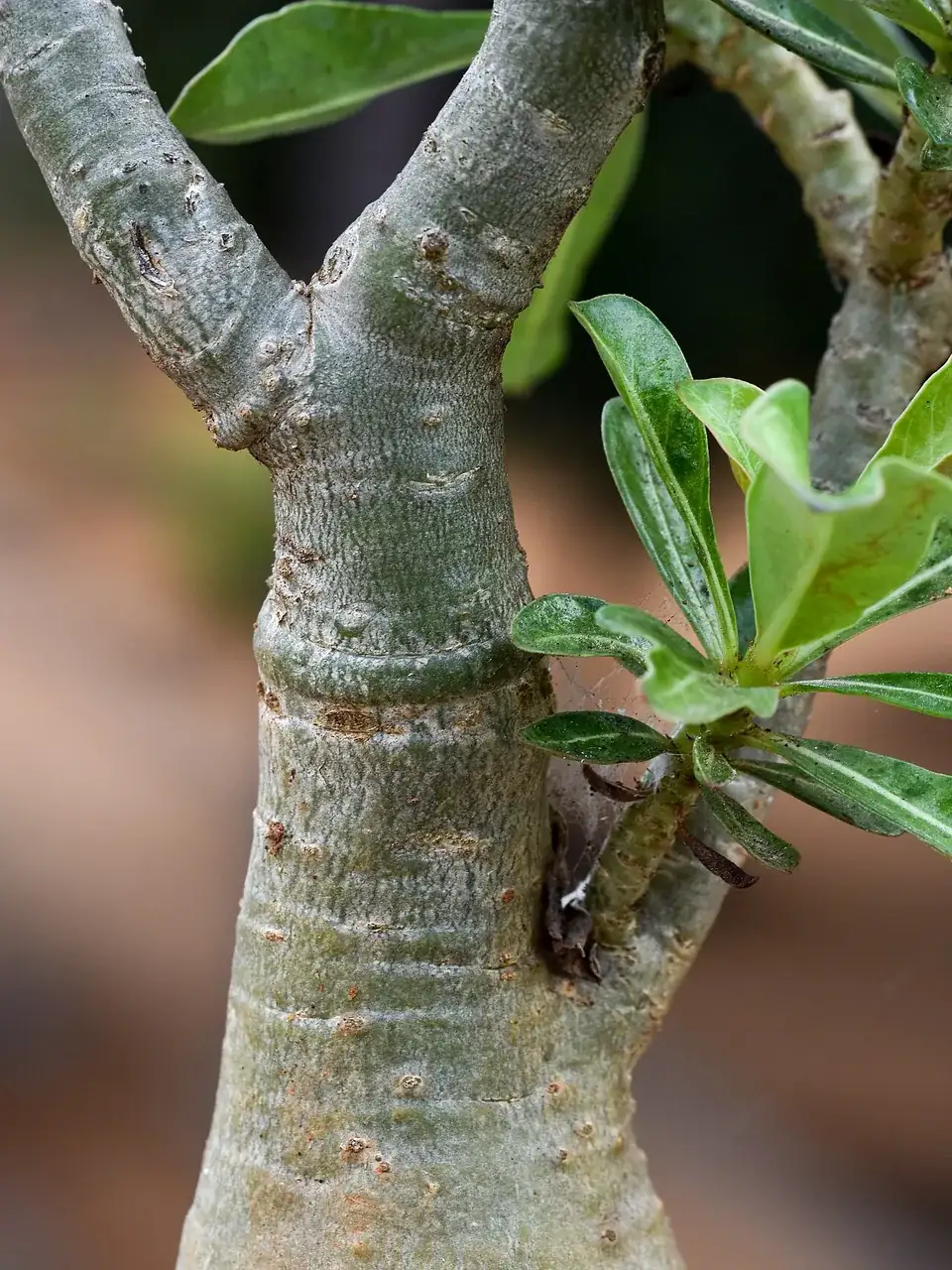
- Succulent with a swollen, bottle-shaped base
- Thick glossy leaves bunched at the branch tips
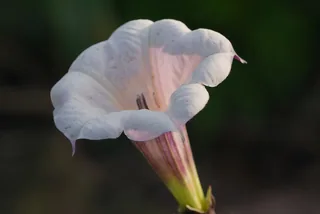
- Trumpet flowers in pink, red or white — often double in grafted plants
- Long seed pods in pairs
Look-alikes and name traps
Not a rose — real roses (gulab) are non-toxic. It belongs to the same heart-poison family as kaner.
Symptoms to watch for
- Vomiting, diarrhoea
- Not eating, low mood
- Irregular heartbeat
- Death in severe cases
What to do — now
Go to a vet now — don't wait for signs. Heart poisons need a vet's monitoring.
- Take your cat, a piece of the plant (or a clear photo) and tell the vet what was eaten, when and how much.
- Don't make your cat vomit at home unless a vet tells you to.
- No milk, oil, salt water or home remedies.
Where Indian cats meet it
A favourite grafted nursery and terrace plant, often kept on balcony ledges at exactly cat height.
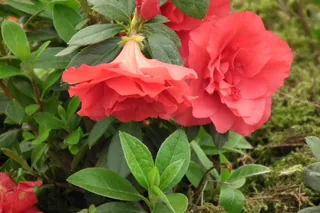
Cat-safe swap: For a sunny ledge: roses or ixora, both listed non-toxic.
Sources
Facts last checked
General information for cat parents, not a diagnosis or a treatment plan. The facts come from ASPCA, Pet Poison Helpline, International Cat Care, the Merck Veterinary Manual and the other sources listed on every page — and we say so when the evidence comes from dogs or people. If your cat may have eaten something harmful, call your vet.