Plant safety for cats
Are azaleas and rhododendrons toxic to cats?
SevereListed toxic to cats by ASPCA
Yes — azaleas and rhododendrons are toxic to cats. Grayanotoxins in every part cause vomiting, drooling, weakness, low blood pressure and collapse, usually within a few hours. Go to a vet now.
Why severe: Grayanotoxins — ASPCA warns that a few leaves can cause serious problems.
- Name
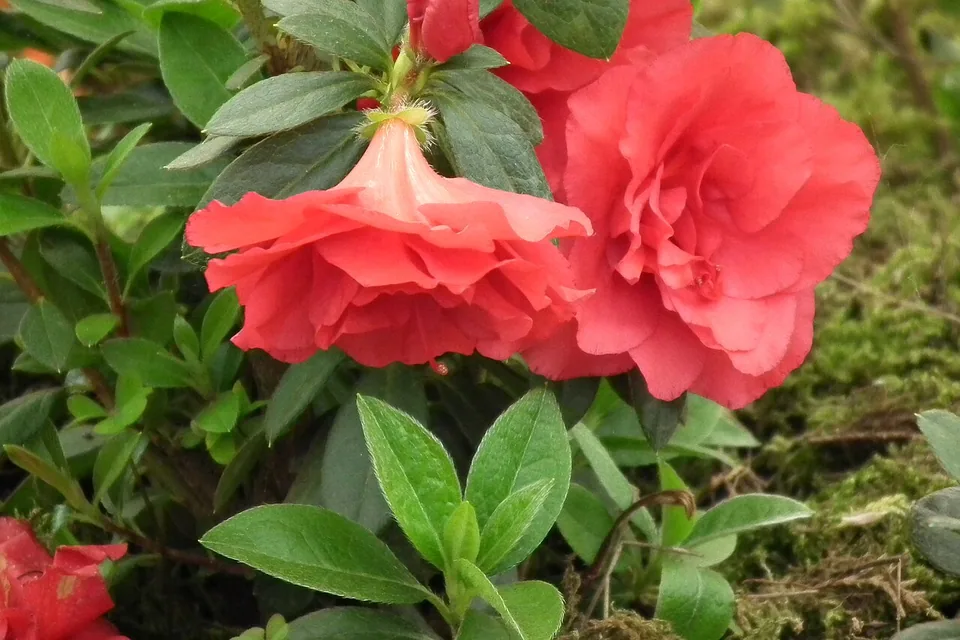
- Azaleaalso Rhododendron, Tree rhododendron, Gurans
- Botanical name
- Rhododendron species (incl. R. arboreum) · Ericaceae
- Other Indian names
- Nepaligurans
- Bengaliলালী গুরাঁস (lali guras)
Toxic parts
All parts.
What's in it
Grayanotoxins — they disrupt the signals in nerves and heart muscle.
How to recognise it
- Evergreen shrub or small tree with leathery, oval leaves
- Clusters of funnel-shaped flowers — red in the tree rhododendron; pink, red or white in potted azaleas
Symptoms to watch for
- Vomiting, diarrhoea, drooling
- Weakness
- Low blood pressure
- Wobbliness, depression, coma
- Heart collapse in severe cases
Usually within a few hours (ASPCA).
What to do — now
Go to a vet now — don't wait for signs. Signs can turn serious within hours.
- Take your cat, a piece of the plant (or a clear photo) and tell the vet what was eaten, when and how much.
- Don't make your cat vomit at home unless a vet tells you to.
- No milk, oil, salt water or home remedies.
Where Indian cats meet it
The tree rhododendron is Uttarakhand's state tree and Nagaland's state flower and grows in the Nilgiris; potted azaleas appear at flower shows and in winter nurseries. Uncommon in homes on the plains.
Sources
- ASPCA Animal Poison Control: Rhododendron
- ASPCA Animal Poison Control: Azalea
- Pet Poison Helpline: Azalea
- Wikipedia: Rhododendron arboreum (names and where it grows)
Facts last checked
General information for cat parents, not a diagnosis or a treatment plan. The facts come from ASPCA, Pet Poison Helpline, International Cat Care, the Merck Veterinary Manual and the other sources listed on every page — and we say so when the evidence comes from dogs or people. If your cat may have eaten something harmful, call your vet.