Plant safety for cats
Is snake plant (स्नेक प्लांट) toxic to cats?
MildListed toxic to cats by ASPCA
Yes — snake plant is mildly toxic to cats: its saponins cause nausea, vomiting and diarrhoea. Rarely serious, but keep it where your cat can't chew it.
Why mild: Saponins: nausea, vomiting and diarrhoea.
- Name
- Snake plantalso Mother-in-law's tongue, Sansevieria
- Hindi
- स्नेक प्लांट
- Botanical name
- Dracaena trifasciata (syn. Sansevieria trifasciata) · Asparagaceae
Toxic parts
All parts (saponins).
What's in it
Saponins.
How to recognise it
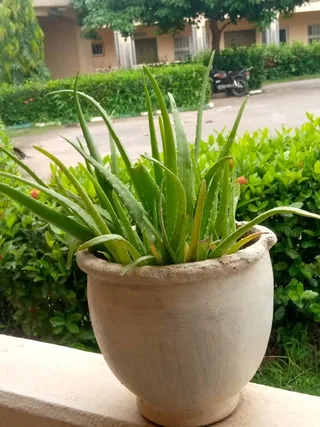
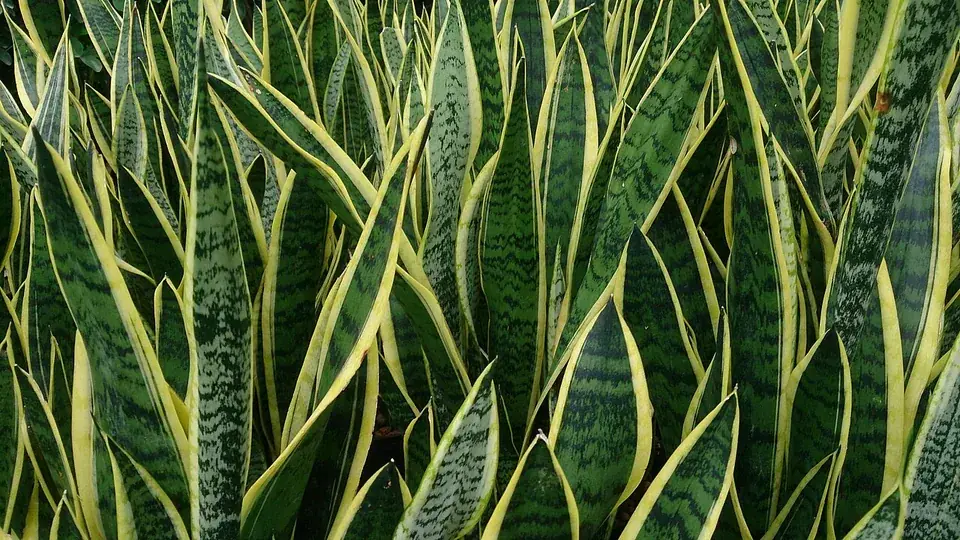
- Stiff, upright, sword-shaped leaves with grey-green bands
- 'Laurentii' has yellow edges
Look-alikes and name traps
Related to lucky bamboo (also toxic). The 'rattlesnake plant' is a non-toxic calathea — always check the botanical name.
Symptoms to watch for
- Nausea, drooling
- Vomiting
- Diarrhoea
What to do
Usually settles on its own — but keep an eye on your cat.
- Take the plant away and note how much was chewed.
- Call your vet if vomiting or diarrhoea keeps going, your cat stops eating, or seems weak or wobbly.
- Don't make your cat vomit at home unless a vet tells you to.
Where Indian cats meet it
Bedrooms, offices and 'air-purifier' gift plants — in every Indian nursery.
Cat-safe swap: Haworthia or a ponytail palm — listed non-toxic.
Sources
- ASPCA Animal Poison Control: Snake plant
- NC State Plant Toolbox: Dracaena trifasciata (human toxicity data)
- Pet Poison Helpline: Dracaena
Facts last checked
General information for cat parents, not a diagnosis or a treatment plan. The facts come from ASPCA, Pet Poison Helpline, International Cat Care, the Merck Veterinary Manual and the other sources listed on every page — and we say so when the evidence comes from dogs or people. If your cat may have eaten something harmful, call your vet.