Plant safety for cats
Is aloe vera (घृत कुमारी / ग्वारपाठा) toxic to cats?
MildListed toxic to cats by ASPCA
Yes — aloe vera (ghritkumari) is mildly toxic to cats: the yellow sap under the leaf skin causes vomiting, diarrhoea and lethargy. The clear inner gel is considered edible, but don't put aloe products where your cat can lick them.
Why mild: The yellow sap under the leaf skin is a purgative; the clear inner gel is considered edible.
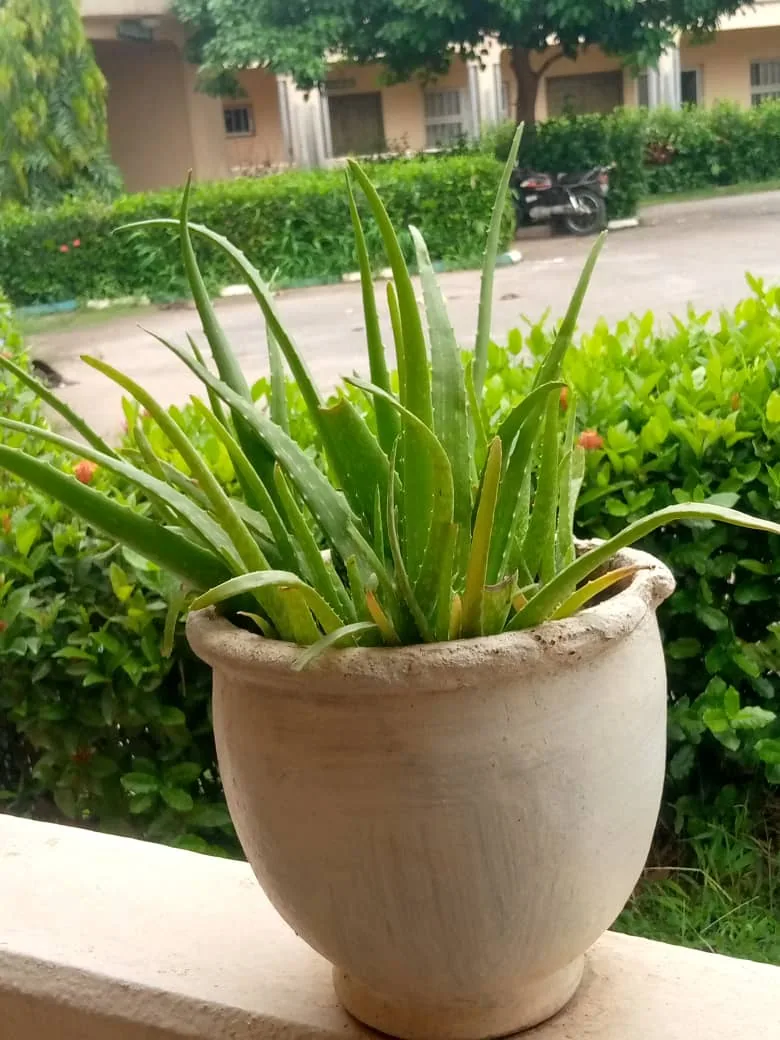
- Name
- Aloe veraalso Ghritkumari, Gwarpatha
- Hindi
- घृत कुमारी / ग्वारपाठा · ghritkumari / gwarpatha
- Botanical name
- Aloe vera (syn. A. barbadensis) · Asphodelaceae
- Other Indian names
- Bengaliঘৃতকুমারী (ghritokumari)
- Teluguకలబంద (kalabanda)
- Malayalamകറ്റാർവാഴ (kattarvazha)
- Gujaratiકુંવારપાઠું (kunvarpathu)
Toxic parts
The yellow latex just under the leaf skin. The clear inner gel is 'considered edible' (ASPCA).
What's in it
Saponins and anthraquinones (purgatives) in the yellow latex.
How to recognise it
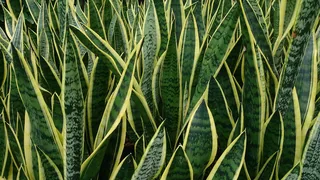
- A stemless rosette of thick, grey-green, fleshy leaves
- Soft teeth along the leaf edges; white flecks on young leaves
- A tall yellow flower spike in warm months
Look-alikes and name traps
Haworthia (small, white-banded) and cushion aloe are listed non-toxic; agaves are stiff and spiny.
Symptoms to watch for
- Vomiting
- Diarrhoea
- Lethargy
What to do
Usually settles on its own — but keep an eye on your cat.
- Take the plant away and note how much was chewed.
- Call your vet if vomiting or diarrhoea keeps going, your cat stops eating, or seems weak or wobbly.
- Don't make your cat vomit at home unless a vet tells you to.
- Repeated diarrhoea, or a kitten: call your vet the same day — they dehydrate quickly.
Where Indian cats meet it
Balconies, kitchen windows and rooftop pots everywhere — and a favourite home remedy.
Myth or fact
Myth“Aloe gel is a safe, natural soother for a cat's skin”
FactCats lick off whatever goes on their fur, and the plant's yellow latex is a purgative. Ask your vet for a cat-safe skin product instead.
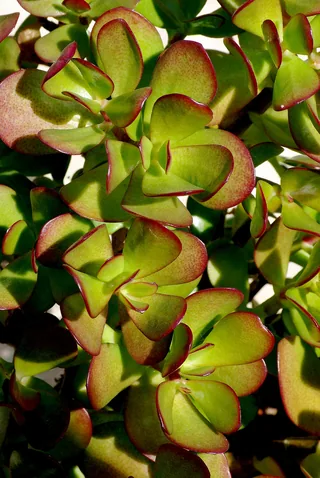
Cat-safe swap: Haworthia or echeveria — listed non-toxic.
Sources
- ASPCA Animal Poison Control: Aloe
- Pet Poison Helpline: Aloe vera
- NC State Plant Toolbox: Aloe vera (human toxicity data)
- Hindi Wikipedia: घृत कुमारी (Hindi name)
Facts last checked
General information for cat parents, not a diagnosis or a treatment plan. The facts come from ASPCA, Pet Poison Helpline, International Cat Care, the Merck Veterinary Manual and the other sources listed on every page — and we say so when the evidence comes from dogs or people. If your cat may have eaten something harmful, call your vet.