Plant safety for cats
Is lantana toxic to cats?
ModerateListed toxic to cats by ASPCA
Yes — lantana is toxic to cats: it can cause vomiting, diarrhoea, weakness and laboured breathing. The liver failure it is famous for is mostly a problem in grazing livestock.
Why moderate: Stomach upset and laboured breathing in pets; the liver failure it's known for is mainly seen in livestock.
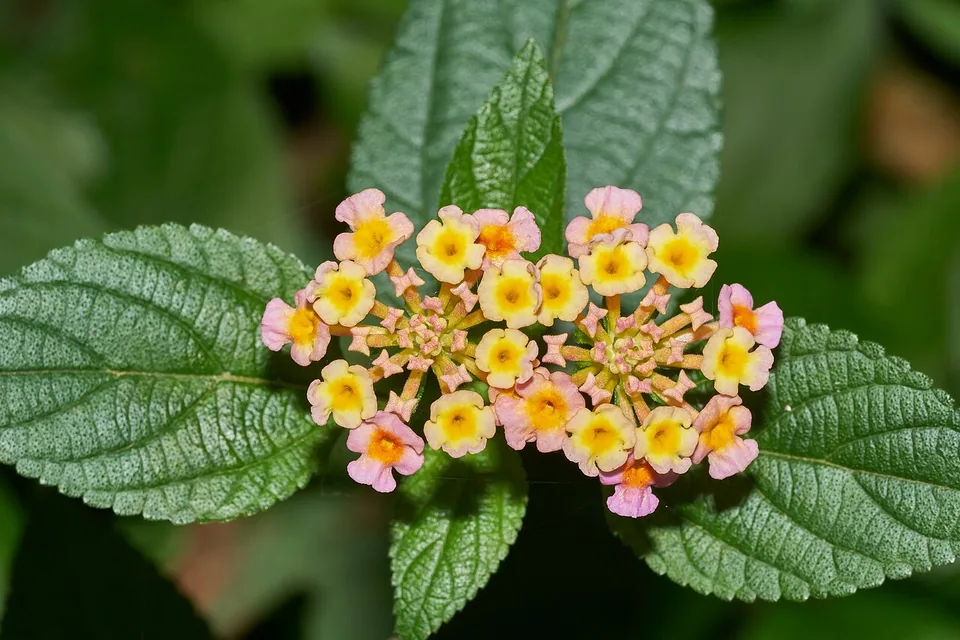
- Name
- Lantanaalso Ghaneri, Putush
- Botanical name
- Lantana camara · Verbenaceae
- Other Indian names
- Marathiघाणेरी (ghaneri)
- Bengaliputush
- Malayalamകൊങ്ങിണി (kongini)
- Tamilஉண்ணிச்செடி (unnichedi)
- Gujaratiગાંધારી (gandhari)
Toxic parts
Treat every part as toxic — ASPCA lists the plant without naming a safer part.
What's in it
Lantadenes (pentacyclic triterpenoids).
How to recognise it
- Scrambling, often prickly shrub with rough, aromatic leaves
- Flat flower heads that change colour — yellow, orange, pink, red
- Clusters of small berries that ripen black
Symptoms to watch for
- Vomiting, diarrhoea
- Weakness
- Laboured breathing
What to do
Call your vet today. Laboured breathing means go now.
- Take the plant away, note how much is missing and take a photo of it.
- Don't make your cat vomit at home unless a vet tells you to.
- No milk, oil, salt water or home remedies.
Where Indian cats meet it
Invasive across about half of India's natural areas — in hedges, roadsides, parks and wasteland.
Sources
- ASPCA Animal Poison Control: Lantana
- Pet Poison Helpline: Lantana
- Wikipedia: Lantana camara (names and where it grows)
Facts last checked
General information for cat parents, not a diagnosis or a treatment plan. The facts come from ASPCA, Pet Poison Helpline, International Cat Care, the Merck Veterinary Manual and the other sources listed on every page — and we say so when the evidence comes from dogs or people. If your cat may have eaten something harmful, call your vet.