Plant safety for cats
Is geranium (जेरेनियम) toxic to cats?
MildListed toxic to cats by ASPCA
Yes — geranium is mildly toxic to cats: it can cause vomiting, poor appetite, low mood and skin irritation. Scented geraniums are a little worse, and cats are the most sensitive species.
Why mild: A mild stomach upset and skin irritation; cats are the most sensitive to scented types.
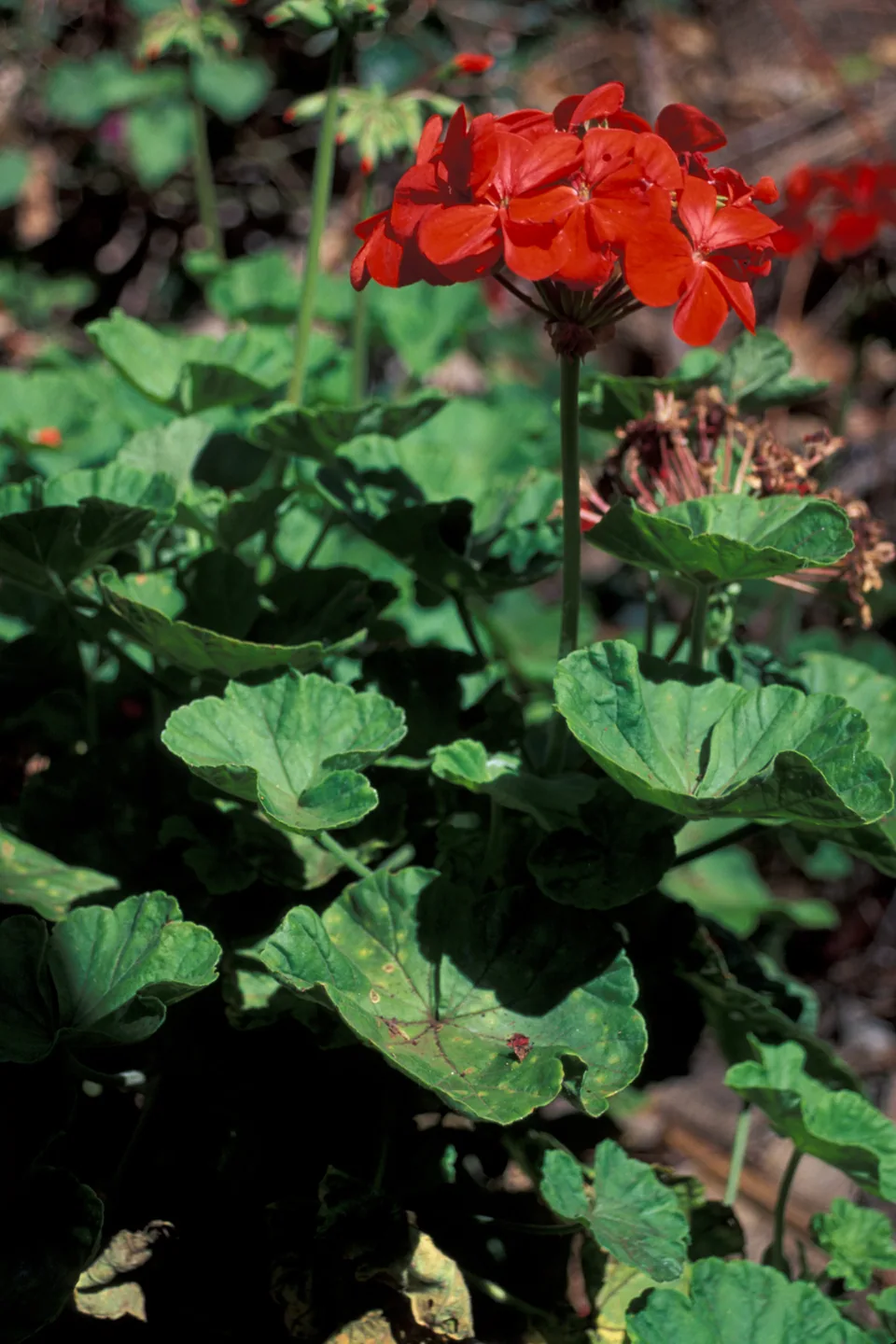
- Name
- Geraniumalso Scented geranium, Pelargonium
- Hindi
- जेरेनियम
- Botanical name
- Pelargonium × hortorum and P. graveolens · Geraniaceae
Toxic parts
Treat every part as toxic — ASPCA lists the plant without naming a safer part.
What's in it
Geraniol and linalool (fragrant oils).
How to recognise it
- Rounded, scalloped leaves, often with a dark horseshoe band
- Clusters of red, pink or white flowers
- Leaves smell when rubbed
Symptoms to watch for
- Vomiting
- Not eating, low mood
- Skin irritation
- Large amounts of scented types: wobbliness, weakness
What to do
Usually settles on its own — but keep an eye on your cat.
- Take the plant away and note how much was chewed.
- Call your vet if vomiting or diarrhoea keeps going, your cat stops eating, or seems weak or wobbly.
- Don't make your cat vomit at home unless a vet tells you to.
Where Indian cats meet it
Balcony and window-box pots.
Sources
- ASPCA Animal Poison Control: Geranium
- ASPCA Animal Poison Control: Scented geranium
- Pet Poison Helpline: Geranium
Facts last checked
General information for cat parents, not a diagnosis or a treatment plan. The facts come from ASPCA, Pet Poison Helpline, International Cat Care, the Merck Veterinary Manual and the other sources listed on every page — and we say so when the evidence comes from dogs or people. If your cat may have eaten something harmful, call your vet.