Plant safety for cats
Is hibiscus (गुड़हल) safe for cats?
SafeListed non-toxic to cats by ASPCA
Very likely safe — ASPCA lists hibiscus (H. syriacus, which it also calls 'Rose of China') as non-toxic; the common Indian gudhal, H. rosa-sinensis, has no listing of its own. Eating a lot may cause a mild upset stomach, as with most plants.
Why safe: ASPCA lists hibiscus (H. syriacus, alias 'Rose of China') non-toxic; gudhal itself isn't listed by name.
- Name
- Hibiscusalso Gudhal, Jaswand, Rose of China
- Hindi
- गुड़हल · gudhal
- Botanical name
- Hibiscus rosa-sinensis (ASPCA's entry: H. syriacus) · Malvaceae
- Other Indian names
- Marathiजास्वंद (jaswand)
- Bengaliজবা (joba)
- Tamilசெம்பருத்தி (sembaruthi)
- Teluguమందార (mandara)
How to recognise it
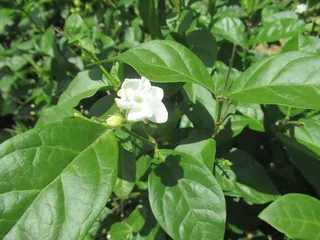
- Glossy, toothed leaves
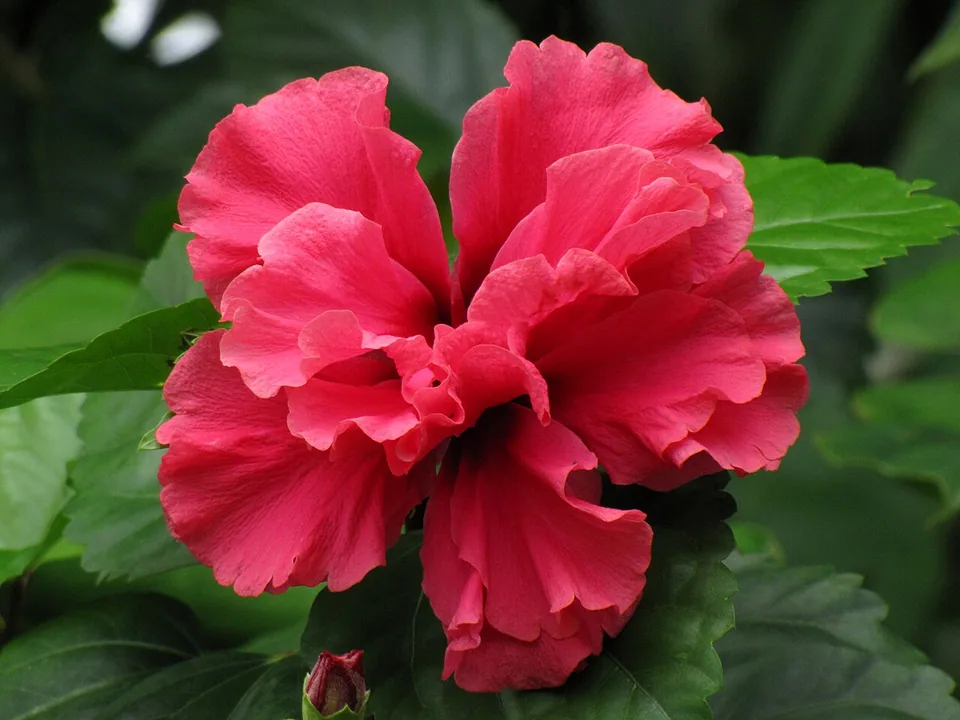
- Large five-petalled flowers, often red, with a long central column of stamens
What to do
Listed non-toxic — no poisoning is expected.
- Any plant eaten in quantity can still cause a little vomiting or diarrhoea; call your vet if it keeps going.
- Pesticide or fertiliser on nursery plants is a separate risk: rinse new plants and keep fertiliser sticks out of the pot.
Where Indian cats meet it
In almost every garden and temple; the red flower is offered to Goddess Kali and to Ganesha.
Myth or fact
Myth“Hibiscus is poisonous to cats”
FactSome pet sites say so, but ASPCA lists hibiscus as non-toxic. Expect at most a mild tummy upset if a lot is eaten.
Sources
- ASPCA Animal Poison Control: Hibiscus
- ASPCA Animal Poison Control: Rose of China
- NC State Plant Toolbox: Hibiscus rosa-sinensis (human toxicity data)
- Hindi Wikipedia: गुड़हल (Hindi name)
Facts last checked
General information for cat parents, not a diagnosis or a treatment plan. The facts come from ASPCA, Pet Poison Helpline, International Cat Care, the Merck Veterinary Manual and the other sources listed on every page — and we say so when the evidence comes from dogs or people. If your cat may have eaten something harmful, call your vet.