Plant safety for cats
Is kalanchoe (पथरचटा) toxic to cats?
ModerateListed toxic to cats by ASPCA
Yes — kalanchoe, including patharchatta, is toxic to cats. It usually causes vomiting and diarrhoea, but its heart-type toxins can, if a lot is eaten, upset the heart rhythm and cause collapse. Call your vet.
Why moderate: Heart-type toxins: usually just a stomach upset, but a lot can change the heart rhythm.
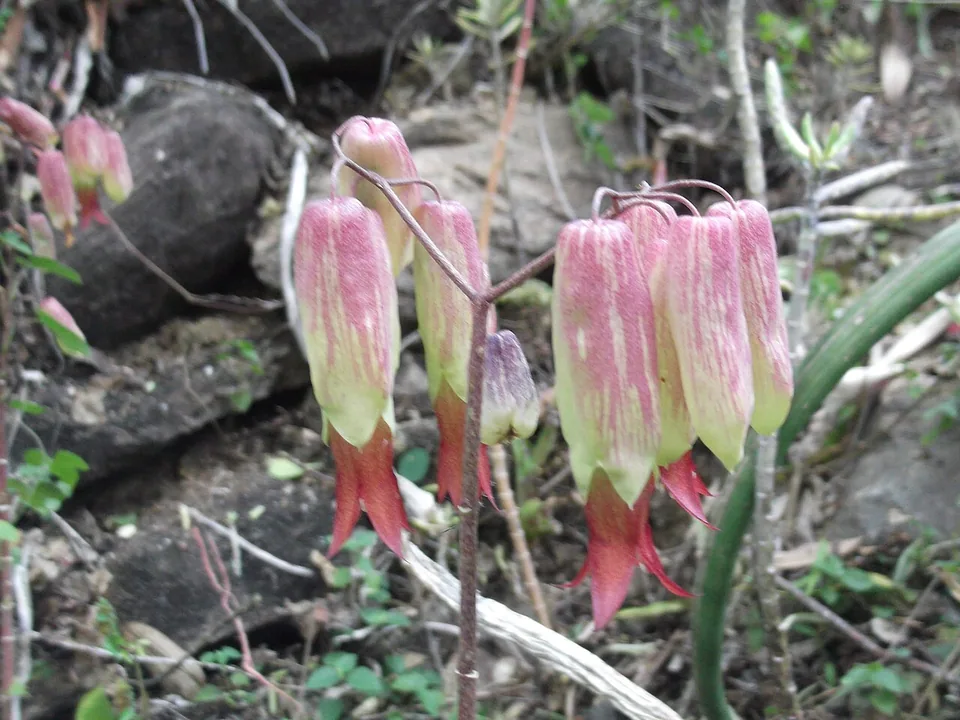
- Name
- Kalanchoealso Patharchatta, Florist kalanchoe, Miracle leaf, Mother of millions
- Hindi
- पथरचटा · patharchatta
- Botanical name
- Kalanchoe blossfeldiana and Kalanchoe pinnata · Crassulaceae
- Other Indian names
- Bengaliপাথরকুচি (patharkuchi)
- Marathiपानफुटी (panfuti)
- Malayalamഇലമുളച്ചി (ilamulachi)
Toxic parts
The whole plant; the toxins are most concentrated in the flowers (VCA).
What's in it
Bufadienolides — heart-type (cardiac) toxins.
How to recognise it
- Fleshy, scalloped succulent leaves
- Patharchatta grows tiny plantlets along its leaf edges
- Florist kalanchoe has dense clusters of small red, orange, yellow or pink flowers
Symptoms to watch for
- Vomiting, diarrhoea
- Rarely, after a lot: abnormal heart rhythm, weakness, collapse
What to do
Call your vet today. Most cats only get a stomach upset, but a vet should decide.
- Take the plant away, note how much is missing and take a photo of it.
- Don't make your cat vomit at home unless a vet tells you to.
- No milk, oil, salt water or home remedies.
- Don't use patharchatta leaves as a home remedy for your cat.
Where Indian cats meet it
Patharchatta is a common home and remedy plant; potted florist kalanchoe is sold in nurseries everywhere.
Cat-safe swap: Haworthia or echeveria — listed non-toxic.
Sources
- ASPCA Animal Poison Control: Kalanchoe
- Pet Poison Helpline: Kalanchoe
- VCA: Plants that are toxic to cats
- Wikipedia: Kalanchoe pinnata (names and where it grows)
Facts last checked
General information for cat parents, not a diagnosis or a treatment plan. The facts come from ASPCA, Pet Poison Helpline, International Cat Care, the Merck Veterinary Manual and the other sources listed on every page — and we say so when the evidence comes from dogs or people. If your cat may have eaten something harmful, call your vet.