Plant safety for cats
Is frangipani (चम्पा) safe for cats?
?Not assessedNot assessed for cats — here's what we know
Champa (frangipani) hasn't been formally assessed for cats. Its milky sap can irritate skin and mouth, but fallen flowers are not known to be dangerous. Note that 'champa' can also mean a different tree (Magnolia champaca).
Why not assessed: No ASPCA, Pet Poison Helpline or NC State data. The milky sap can irritate.
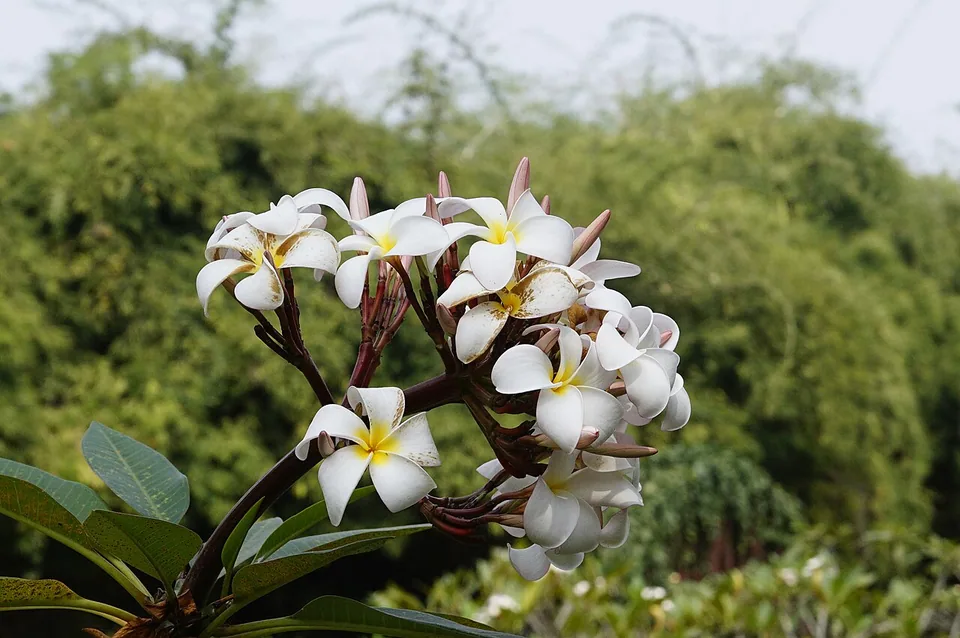
- Name
- Frangipanialso Champa, Temple tree, Plumeria, Gulchin
- Hindi
- चम्पा · champa
- Botanical name
- Plumeria rubra, P. obtusa and P. alba · Apocynaceae
- Other Indian names
- Marathichafa
- Telugu and Kannadasampangi
- Bengaliলাল কাঠগোলাপ (lal kathgolap)
Toxic parts
No cat data; the milky sap is an irritant.
The evidence
Not assessed for cats — here's what we know. Not assessed is not the same as safe — and not proof of danger either.
How to recognise it
- Thick, succulent-looking branches with milky sap
- Large leaves clustered at the branch tips
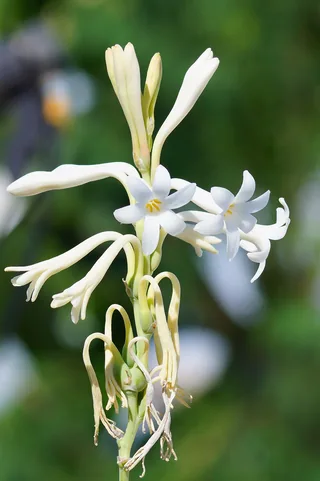
- Waxy, five-petalled, fragrant flowers — white with a yellow centre, pink or red
What to do
No vet database has assessed it for cats — so there is no verdict either way.
- A nibble is not known to be dangerous. If your cat ate a lot, or seems unwell, call your vet and take the plant or a photo.
- Don't make your cat vomit at home unless a vet tells you to.
Where Indian cats meet it
Temple compounds, offerings and garden trees; also at Buddhist and Jain sites.
Sources
- ASPCA: Plants toxic and non-toxic to cats (full list)
- Wikidata: Plumeria rubra (Indian-language names)
- Urvann: plumeria in Indian worship (local names)
Facts last checked
General information for cat parents, not a diagnosis or a treatment plan. The facts come from ASPCA, Pet Poison Helpline, International Cat Care, the Merck Veterinary Manual and the other sources listed on every page — and we say so when the evidence comes from dogs or people. If your cat may have eaten something harmful, call your vet.