Plant safety for cats
Is English ivy toxic to cats?
ModerateListed toxic to cats by ASPCA
Yes — English ivy is toxic to cats: its saponins cause vomiting, belly pain, drooling and diarrhoea. The leaves are more toxic than the berries.
Why moderate: Saponins: vomiting, belly pain and diarrhoea. The leaves are worse than the berries.
- Name
- English ivyalso Ivy, Hedera
- Botanical name
- Hedera helix · Araliaceae
Toxic parts
The leaves (most toxic) and the berries.
What's in it
Triterpenoid saponins (hederagenin).
How to recognise it
- A woody climbing vine
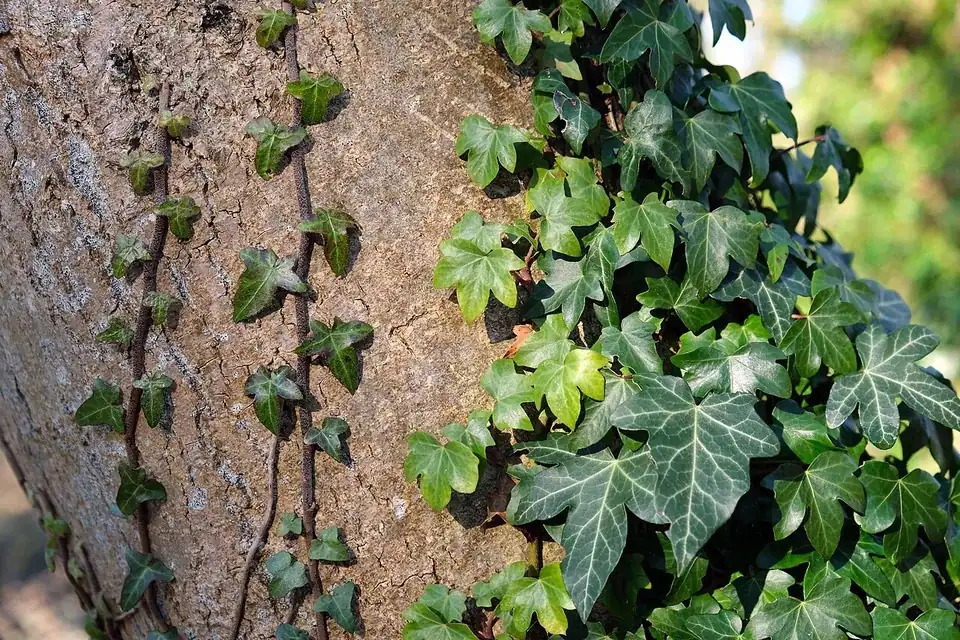
- Three- to five-lobed leaves with pale veins
Look-alikes and name traps
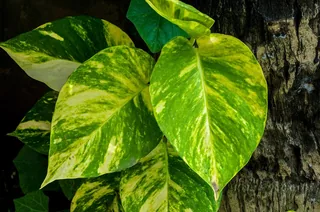
Don't confuse it with money plant (unlobed leaves, also toxic) or Swedish ivy (Plectranthus, non-toxic).
Symptoms to watch for
- Vomiting
- Belly pain
- Drooling
- Diarrhoea
What to do
Call your vet today. Most cats get a stomach upset that passes.
- Take the plant away, note how much is missing and take a photo of it.
- Don't make your cat vomit at home unless a vet tells you to.
- No milk, oil, salt water or home remedies.
Where Indian cats meet it
Uncommon on the plains; sold in hill stations and as an indoor hanging plant.
Sources
- ASPCA Animal Poison Control: English ivy
- Pet Poison Helpline: English ivy
- Cornell Feline Health Center: Destructive behaviour (cats and houseplants, PDF)
Facts last checked
General information for cat parents, not a diagnosis or a treatment plan. The facts come from ASPCA, Pet Poison Helpline, International Cat Care, the Merck Veterinary Manual and the other sources listed on every page — and we say so when the evidence comes from dogs or people. If your cat may have eaten something harmful, call your vet.