Plant safety for cats
Is periwinkle (सदाबहार) toxic to cats?
SevereListed toxic to cats by ASPCA
Yes — sadabahar (periwinkle) is toxic to cats. A nibble is unlikely to poison, but eating a lot can cause vomiting, low blood pressure, tremors and seizures. Call your vet; go at once if your cat trembles or is weak.
Why severe: Severe if a lot is eaten (vinca alkaloids); a nibble is usually mild.
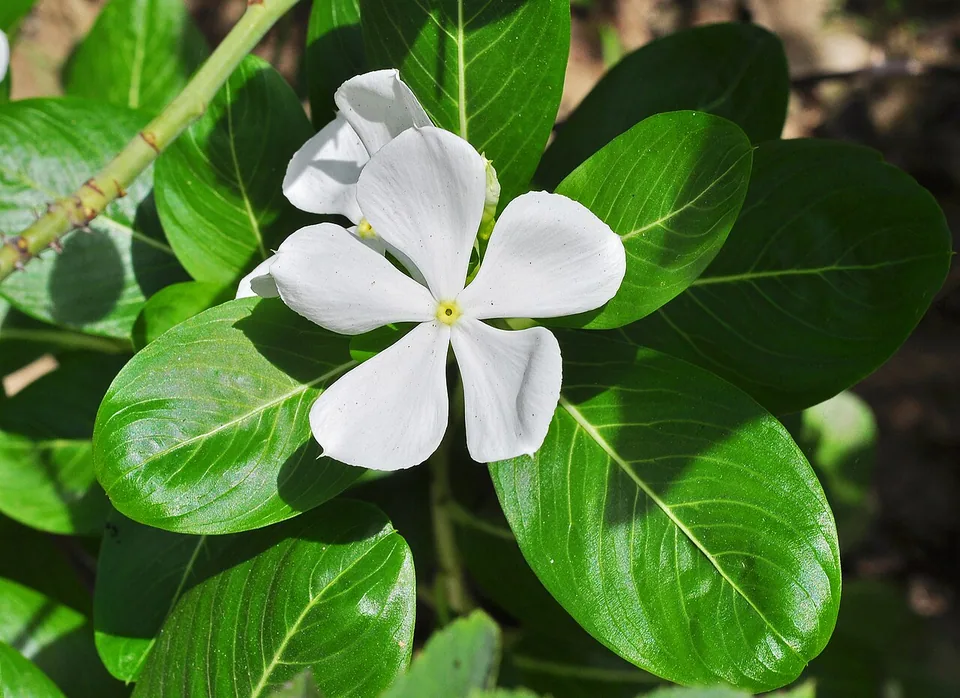
- Name
- Periwinklealso Sadabahar, Madagascar periwinkle, Vinca
- Hindi
- सदाबहार · sadabahar
- Botanical name
- Catharanthus roseus (ASPCA: Vinca rosea) · Apocynaceae
- Other Indian names
- Marathiसदाफुली (sadaphuli)
- Bengaliনয়নতারা (noyontara)
- Tamilநித்திய கல்யாணி (nithya kalyani)
- Teluguబిళ్ళ గన్నేరు (billa ganneru)
- Kannadaಸದಾಪುಷ್ಪ (sadapushpa)
Toxic parts
All parts.
What's in it
Vinca alkaloids.
How to recognise it
- Low, bushy plant with glossy oblong leaves in pairs and a pale midrib
- Flat five-petalled pink or white flowers with a red or yellow eye
- Flowers all year and seeds itself into pots and wall cracks
Look-alikes and name traps
Garden balsam (impatiens) is listed non-toxic; blue-flowered Vinca vines are a different plant. ASPCA files sadabahar under its old name, Vinca rosea.
Symptoms to watch for
- Vomiting, diarrhoea
- Low blood pressure, weakness
- Low mood
- Tremors, seizures
- Coma, even death, after large amounts
What to do — now
Call your vet now — go at once if your cat ate more than a nibble, or trembles, wobbles or seems weak. A small taste is unlikely to poison; a large amount can be serious.
- Take the plant away and note how much is missing.
- Don't make your cat vomit at home unless a vet tells you to.
- No milk, oil, salt water or home remedies.
Where Indian cats meet it
Everywhere: self-seeding in pots, wall cracks, temple gardens and municipal beds; also used as a folk remedy.
Cat-safe swap: For year-round colour in pots: zinnias or petunias, both listed non-toxic.
Sources
- ASPCA Animal Poison Control: Periwinkle (Vinca rosea)
- Pet Poison Helpline: Periwinkle
- NC State Plant Toolbox: Catharanthus roseus (human toxicity data)
- Wikidata: Catharanthus roseus (Indian-language names)
Facts last checked
General information for cat parents, not a diagnosis or a treatment plan. The facts come from ASPCA, Pet Poison Helpline, International Cat Care, the Merck Veterinary Manual and the other sources listed on every page — and we say so when the evidence comes from dogs or people. If your cat may have eaten something harmful, call your vet.