Plant safety for cats
Is lily of the valley toxic to cats?
SevereListed toxic to cats by ASPCA
Yes — lily of the valley is toxic to cats, but not like true lilies: its cardenolides upset the heart, causing vomiting, an irregular heartbeat, low blood pressure and seizures. It is rare in India (imported bridal flowers).
Why severe: A heart poison, not a kidney poison — it is not a true lily. Rare in India.
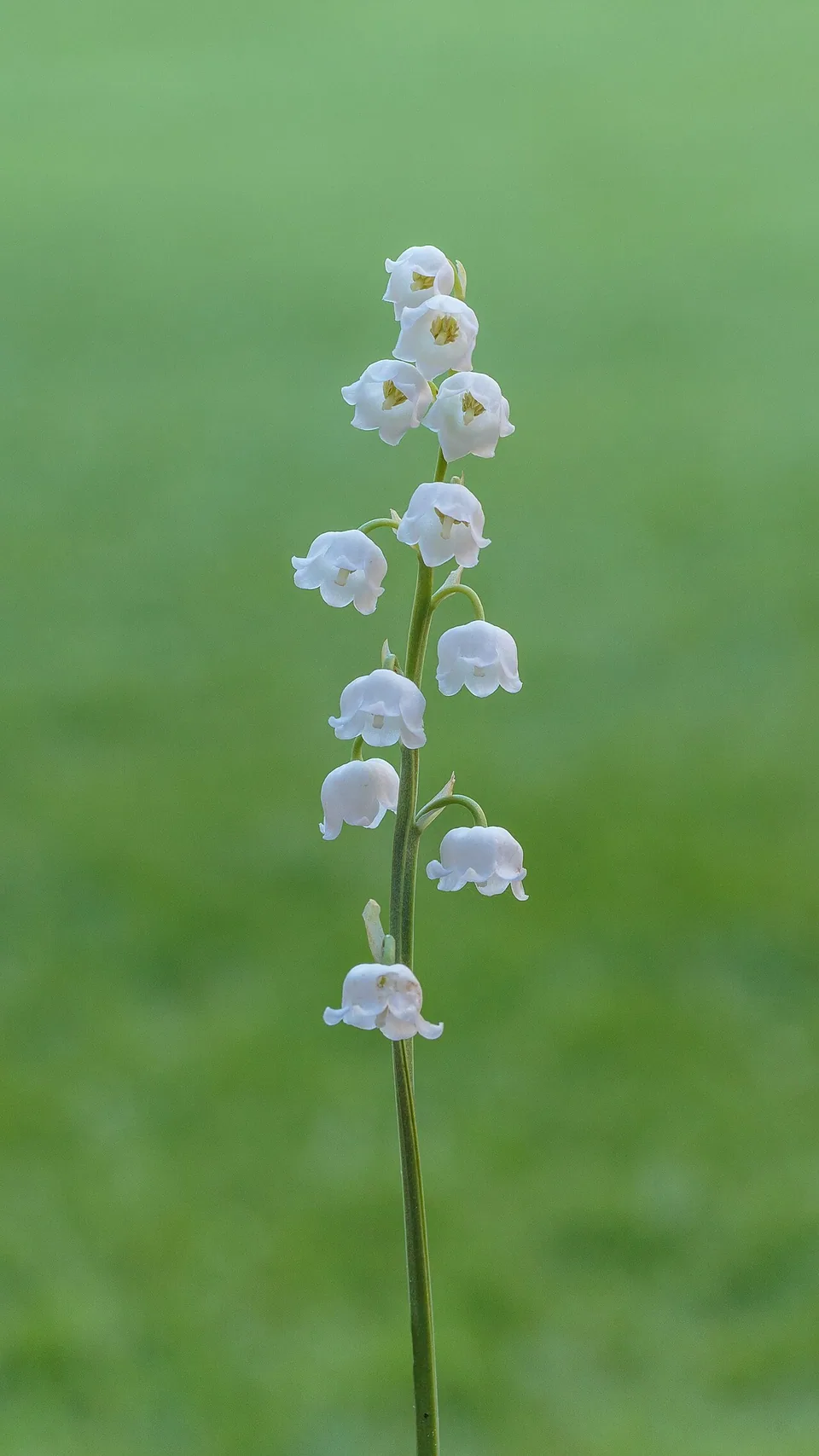
- Name
- Lily of the valley
- Botanical name
- Convallaria majalis · Asparagaceae
Toxic parts
Treat every part as toxic — ASPCA lists the plant without naming a safer part.
What's in it
Cardenolides (convallarin and others) — heart poisons.
How to recognise it
- Two broad leaves and an arching stem of tiny white, nodding bells
- Red berries
Look-alikes and name traps
Not a true lily — see lily for the kidney danger and peace lily for a houseplant that only irritates the mouth.
Symptoms to watch for
- Vomiting
- Irregular heartbeat
- Low blood pressure
- Disorientation, seizures, coma
What to do — now
Go to a vet now — don't wait for signs. Heart poisons need a vet's monitoring.
- Take your cat, a piece of the plant (or a clear photo) and tell the vet what was eaten, when and how much.
- Don't make your cat vomit at home unless a vet tells you to.
- No milk, oil, salt water or home remedies.
Where Indian cats meet it
Rare: an imported florist and bridal flower at most.
Sources
- ASPCA Animal Poison Control: Lily of the valley
- Pet Poison Helpline: Lily of the valley
- International Cat Care: Lily poisoning in cats
Facts last checked
General information for cat parents, not a diagnosis or a treatment plan. The facts come from ASPCA, Pet Poison Helpline, International Cat Care, the Merck Veterinary Manual and the other sources listed on every page — and we say so when the evidence comes from dogs or people. If your cat may have eaten something harmful, call your vet.