Plant safety for cats
Is yew toxic to cats?
DeadlyListed toxic to cats by ASPCA
Yes — yew is deadly to cats: taxines in the needles and seeds can cause sudden heart failure. It grows in Himalayan forests and a few hill gardens and is rare in Indian homes.
Why deadly: Taxines can stop the heart suddenly. Rare in Indian homes.
- Name
- Yewalso Himalayan yew
- Botanical name
- Taxus species (incl. Taxus wallichiana) · Taxaceae
Toxic parts
All parts except the soft red flesh around the seed — the seed inside it is highly toxic.
What's in it
Taxines — heart poisons.
How to recognise it
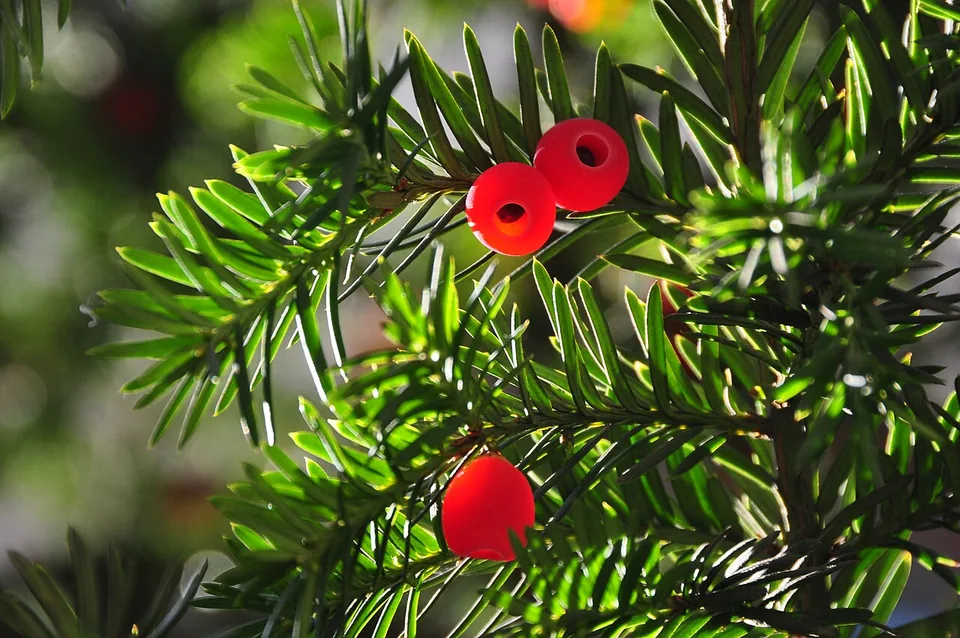
- Evergreen conifer with flat, dark-green needles
- Single seeds sitting in a soft red cup
Symptoms to watch for
- Vomiting, drooling
- Tremors, seizures
- Slow heart rate and breathing
- Collapse, sudden death
What to do — now
Go to a vet now — don't wait for signs. Heart failure can be sudden.
- Take your cat, a piece of the plant (or a clear photo) and tell the vet what was eaten, when and how much.
- Don't make your cat vomit at home unless a vet tells you to.
- No milk, oil, salt water or home remedies.
Where Indian cats meet it
Himalayan forests (the Himalayan yew has declined by up to 90% in India and Nepal) and a few hill-station gardens.
Sources
- ASPCA Animal Poison Control: Yew
- Pet Poison Helpline: Yew
- Wikipedia: Taxus wallichiana (names and where it grows)
Facts last checked
General information for cat parents, not a diagnosis or a treatment plan. The facts come from ASPCA, Pet Poison Helpline, International Cat Care, the Merck Veterinary Manual and the other sources listed on every page — and we say so when the evidence comes from dogs or people. If your cat may have eaten something harmful, call your vet.