Plant safety for cats
Is castor plant (अरंडी) toxic to cats?
DeadlyListed toxic to cats by ASPCA
Yes — castor (arandi) is deadly to cats, mainly through its seeds: chewed beans release ricin, which can cause severe vomiting, kidney failure and seizures. Signs may take a day or two, so go to a vet at once.
Why deadly: Chewed seeds release ricin, and signs can take 12–48 hours to start.
- Name
- Castor plantalso Arandi, Erand, Castor bean
- Hindi
- अरंडी · arandi
- Botanical name
- Ricinus communis · Euphorbiaceae
- Other Indian names
- Hindiएरंड (erand)
- Bengaliভেন্না (bhenna)
- Tamilஆமணக்கு (amanakku)
- Teluguఆముదం (amudam)
- Gujaratiદિવેલી (diveli)
- Kannadaಔಡಲ (audala)
Toxic parts
The seeds (beans) are by far the worst, especially chewed; pruned leaves and branches are a common way pets get poisoned.
What's in it
Ricin — a protein toxin that damages the gut lining and organs.
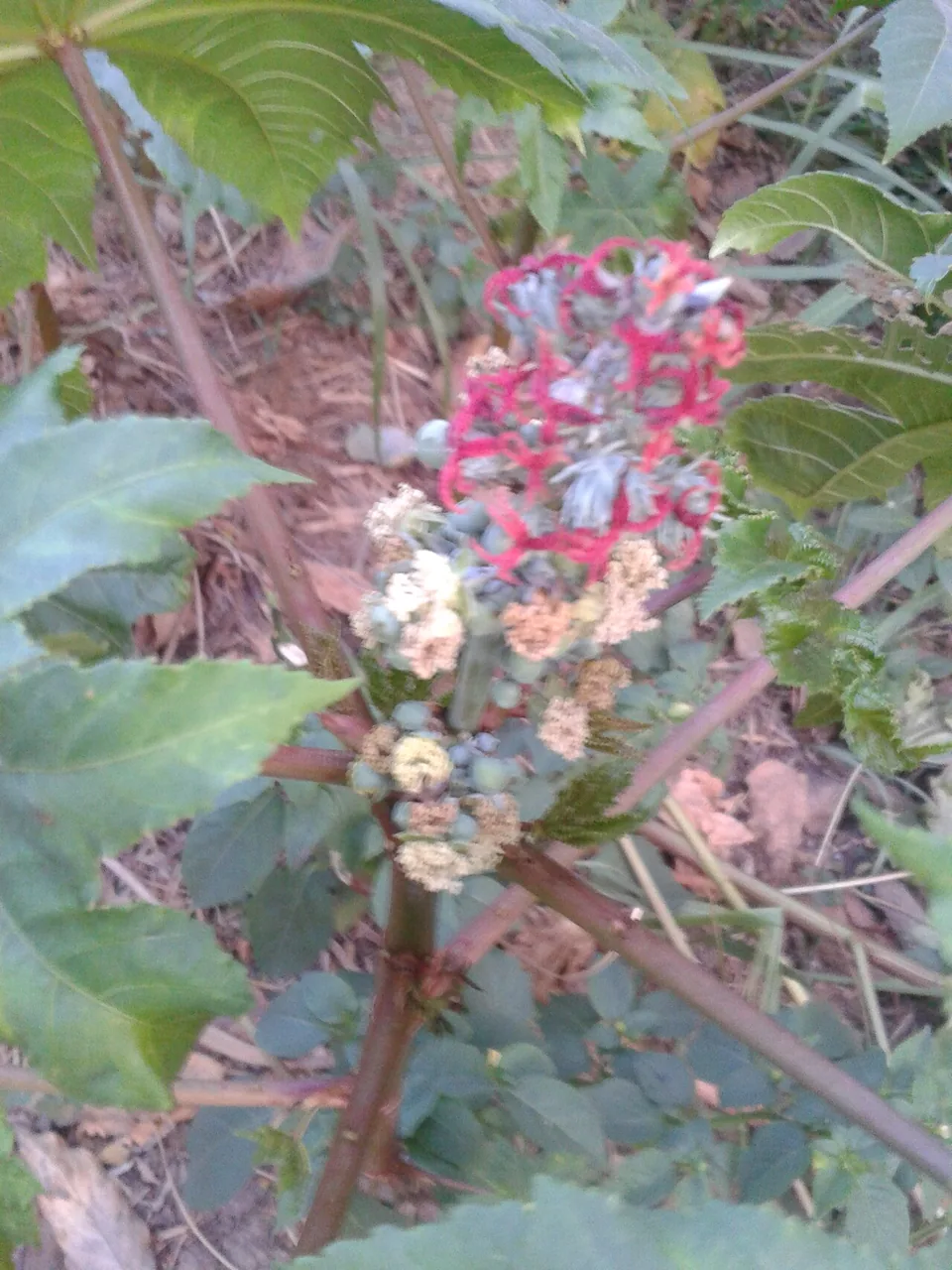
How to recognise it
- Tall, fast-growing shrub
- Large star-shaped leaves, often red or bronze
- Spiny round seed capsules
- Shiny, mottled seeds
Symptoms to watch for
- Burning mouth and throat, drooling, thirst
- Vomiting and diarrhoea, sometimes bloody
- Kidney failure
- Seizures, coma
Signs typically start 12–48 hours after eating (ASPCA) — your cat may look completely fine at first.
What to do — now
Go to a vet now — don't wait for signs. Signs are delayed, so act before they start.
- Take your cat, a piece of the plant (or a clear photo) and tell the vet what was eaten, when and how much.
- Don't make your cat vomit at home unless a vet tells you to.
- No milk, oil, salt water or home remedies.
- Take a seed or a photo of the plant with you.
Where Indian cats meet it
A weed of vacant plots, roadsides and field edges across India, which grows over three-quarters of the world's castor. The seeds are sold in bazaars.
Sources
- ASPCA Animal Poison Control: Castor bean plant
- Pet Poison Helpline: Castor bean
- Wikipedia: Ricinus (names and where it grows)
Facts last checked
General information for cat parents, not a diagnosis or a treatment plan. The facts come from ASPCA, Pet Poison Helpline, International Cat Care, the Merck Veterinary Manual and the other sources listed on every page — and we say so when the evidence comes from dogs or people. If your cat may have eaten something harmful, call your vet.