Plant safety for cats
Is glory lily (कलिहारी) toxic to cats?
DeadlyListed toxic to cats by ASPCA
Yes — glory lily (kalihari) is deadly to cats. It isn't a true lily, but its colchicine-type poisons cause bloody vomiting and diarrhoea, shock, and kidney, liver and bone-marrow damage. Go to a vet at once.
Why deadly: Colchicine poisons the gut, kidneys, liver and bone marrow. Not a true lily — but just as dangerous.
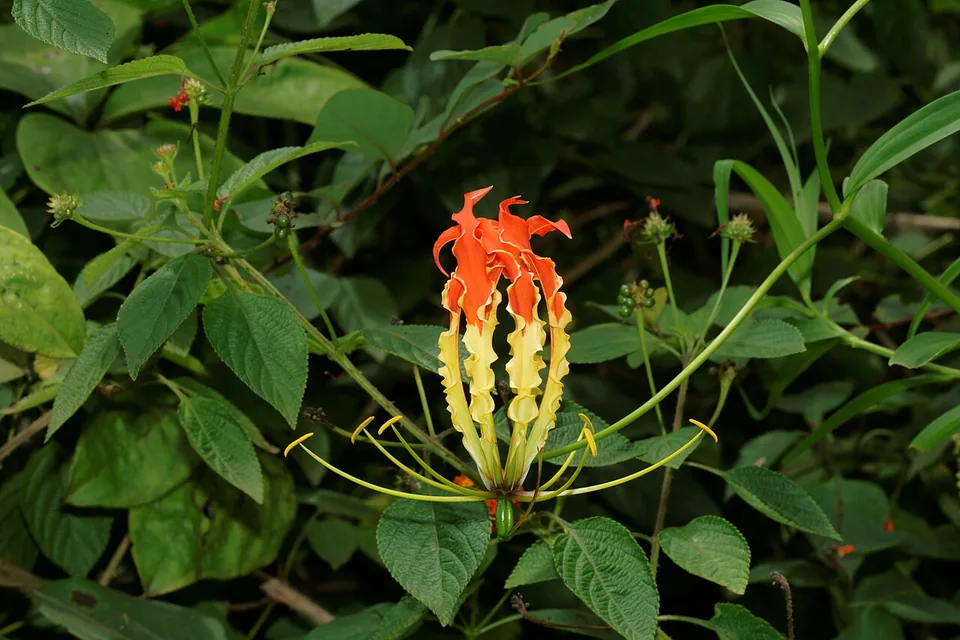
- Name
- Glory lilyalso Kalihari, Flame lily, Gloriosa
- Hindi
- कलिहारी · kalihari
- Botanical name
- Gloriosa superba · Colchicaceae
- Other Indian names
- Tamilகாந்தள் (kanthal), karthigai poo
- Teluguఅడవినాభి (adavi nabhi)
- Kannadaಅಗ್ನಿಶಿಖಾ (agnishikha)
- Bengaliউলট চন্ডাল (ulat chandal)
- Malayalamമേന്തോന്നി (menthonni)
Toxic parts
Treat every part as toxic — ASPCA lists the plant without naming a safer part.
What's in it
Colchicine and related alkaloids — they stop cells dividing, hitting the gut, kidneys, liver and bone marrow.
How to recognise it
- A climber that holds on with tendrils at its leaf tips
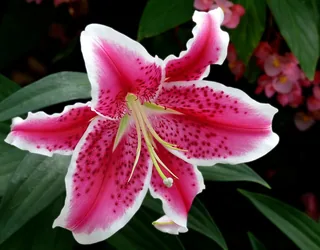
- Six wavy, swept-back petals, red or crimson with yellow bases and edges
- Grows from a tuber
Look-alikes and name traps
Not a true lily — don't let that reassure you. Compare true lilies (kidney failure) and lily of the valley (heart poison).
Symptoms to watch for
- Drooling
- Bloody vomiting and diarrhoea
- Shock
- Kidney and liver damage
- Bone-marrow suppression (found in blood tests)
What to do — now
Go to a vet now — don't wait for signs. Colchicine damage builds up over days.
- Take your cat, a piece of the plant (or a clear photo) and tell the vet what was eaten, when and how much.
- Don't make your cat vomit at home unless a vet tells you to.
- No milk, oil, salt water or home remedies.
Where Indian cats meet it
A wild climber across India and the state flower of Tamil Nadu. It caused 5.7% of human plant poisonings in one South Tamil Nadu series.
Sources
- ASPCA Animal Poison Control: Gloriosa lily
- Pet Poison Helpline: Glory lily
- IJRMS: plant poisoning in South Tamil Nadu (human data)
- Wikipedia: Gloriosa superba (names and where it grows)
Facts last checked
General information for cat parents, not a diagnosis or a treatment plan. The facts come from ASPCA, Pet Poison Helpline, International Cat Care, the Merck Veterinary Manual and the other sources listed on every page — and we say so when the evidence comes from dogs or people. If your cat may have eaten something harmful, call your vet.