Plant safety for cats
Is crown of thorns toxic to cats?
MildNot on ASPCA's cat list — rated from other sources
Mildly — crown of thorns isn't on ASPCA's list, but Pet Poison Helpline says its milky sap causes mild drooling, vomiting or diarrhoea and irritates skin and eyes. Sap in the eye needs a vet.
Why mild: Mild mouth and stomach irritation; sap in the eye needs a vet.
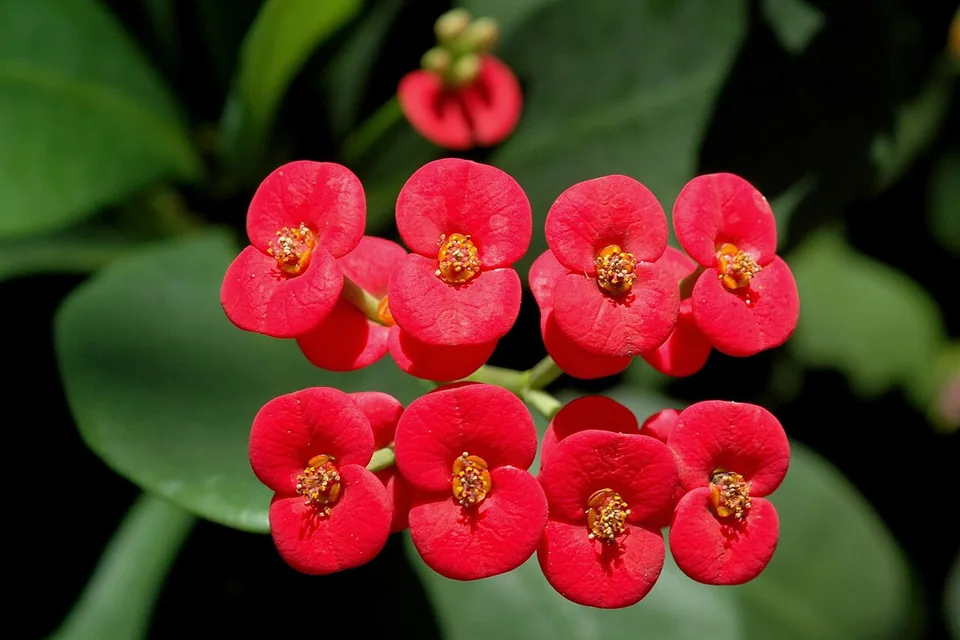
- Name
- Crown of thornsalso Christ plant, Euphorbia milii
- Botanical name
- Euphorbia milii · Euphorbiaceae
- Other Indian names
- Bengaliকাঁটা মুকুট (kanta mukut)
Toxic parts
The milky sap (latex).
What's in it
Diterpene esters in a milky sap.
How to recognise it
- Grey, spiny succulent stems
- Small paired red, pink or yellow bracts
- Milky sap
Look-alikes and name traps
Pencil cactus (Euphorbia tirucalli, a common hedge) is another irritant euphorbia — ASPCA lists it toxic but 'generally over-rated'.
Symptoms to watch for
- Drooling, not eating
- Vomiting, diarrhoea
- Skin or eye irritation
What to do
Usually settles on its own — but keep an eye on your cat.
- Take the plant away and note how much was chewed.
- Call your vet if vomiting or diarrhoea keeps going, your cat stops eating, or seems weak or wobbly.
- Don't make your cat vomit at home unless a vet tells you to.
- Sap in the eye: see a vet — in people it can damage the cornea.
Where Indian cats meet it
A very common balcony and road-divider succulent.
Sources
- Pet Poison Helpline: Crown of thorns
- NC State Plant Toolbox: Euphorbia milii (human toxicity data)
- ASPCA Animal Poison Control: Pencil cactus
Facts last checked
General information for cat parents, not a diagnosis or a treatment plan. The facts come from ASPCA, Pet Poison Helpline, International Cat Care, the Merck Veterinary Manual and the other sources listed on every page — and we say so when the evidence comes from dogs or people. If your cat may have eaten something harmful, call your vet.